



 中文简体
中文简体 日本語
日本語 English
 русский
 Español
 Français
 বাংলা
বাংলা 한국어
한국어 Latine
 Tiếng Việt
 عربى
عربى ไทย
ไทย Hrvatski
 dansk
dansk čeština
 Pilipino
 Nederlands
 Deutsch
 Suomalainen
 Magyar
 Indonesia
 فارسی
فارسی Bahasa Melayu
 italiano
 norsk
norsk Português
 Gaeilge
 Polskie
 Română
 svenska
 Slovák
 Türk
Türk
How to properly use an ultra-fine soft bristle toothbrush for dental care?

Buletedan has helped thousands of companies around the world achieve the production of quality products through our professional manufacturing solutions.


Due to their soft bristles, ultra-fine soft bristle toothbrushes effectively clean teeth and gums, making them especially suitable for sensitive teeth and gums. Proper use of an ultra-fine soft bristle toothbrush not only effectively cleans teeth but also reduces damage to teeth and gums, preventing oral problems caused by improper brushing.
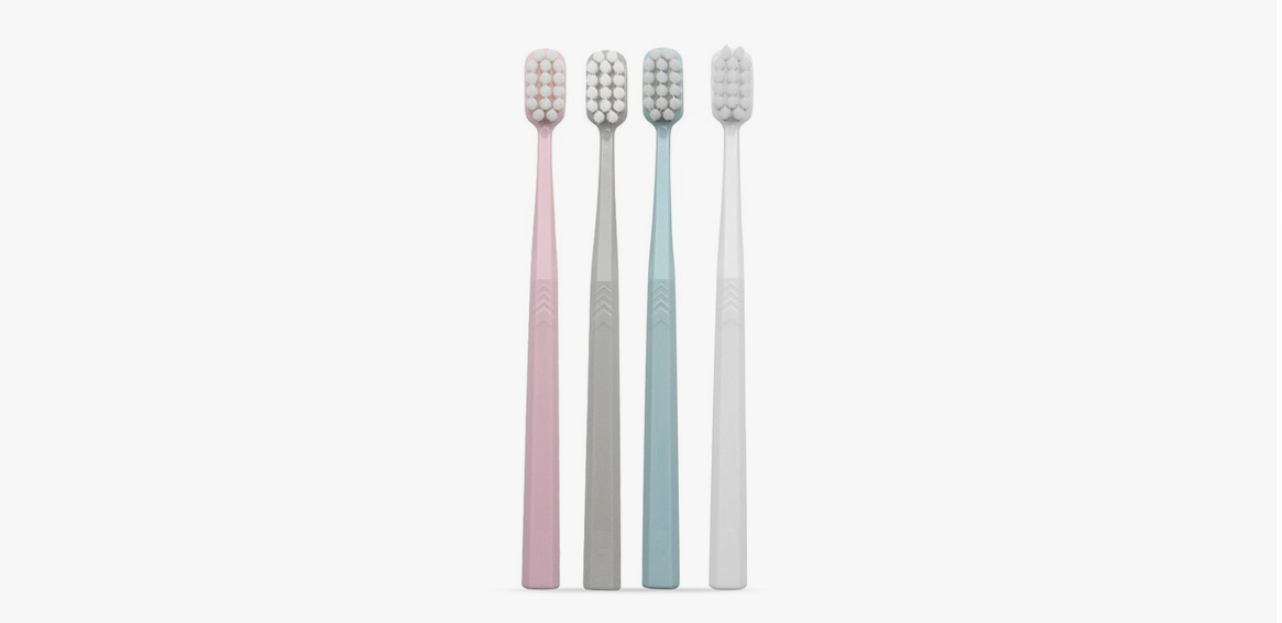
1. Choosing the Right Ultra-fine Soft Bristle Toothbrush
(1) Choosing the Right Brush Head Size
Ultra-fine soft bristle toothbrushes come in different brush head sizes. Choosing a brush head that fits your mouth size is very important. A brush head that is too large may not be able to thoroughly clean the back teeth, while a brush head that is too small may not be able to clean the entire mouth in a short time. Generally, choose a brush head that can easily cover the area of your upper and lower teeth.
(2) Checking Bristle Density and Softness
The density and softness of the bristles directly affect cleaning effectiveness and comfort. The bristles of ultra-fine soft bristle toothbrushes are finer and softer than those of ordinary soft bristle toothbrushes, allowing for better cleaning of the tooth surface and gum line. However, the density and softness of the bristles should also be chosen according to individual needs. If your teeth or gums are very sensitive, you can choose a model with even softer bristles.
2. Correct Brushing Posture and Method
(1) Brushing Angle
When using an ultra-fine soft bristle toothbrush, it is recommended to hold the toothbrush at a 45-degree angle. Position the ends of the bristles against the gum line, avoiding brushing at a right angle. This effectively removes bacteria and plaque between the teeth and gums.
(2) Gentle Brushing
Because the bristles of ultra-fine soft bristle toothbrushes are very fine and soft, you don't need to use excessive pressure to clean your teeth. Gentle brushing helps prevent gum damage and tooth surface damage. Excessive pressure can not only lead to tooth wear but also cause gum recession.
(3) Brushing Order
It is generally recommended to brush in the following order:
First, brush the outer surfaces of the upper teeth, then the outer surfaces of the lower teeth.
Next, brush the inner surfaces of the teeth, then the chewing surfaces.
Finally, brush the tongue and gum line to remove bacteria from the tongue.
(4) Appropriate Brushing Time
It is generally recommended to brush your teeth for at least 2 minutes. You can use a timer to ensure that all areas of your teeth are cleaned. Typically, brush each area (left, right, upper, lower) for 30 seconds to ensure thorough cleaning.
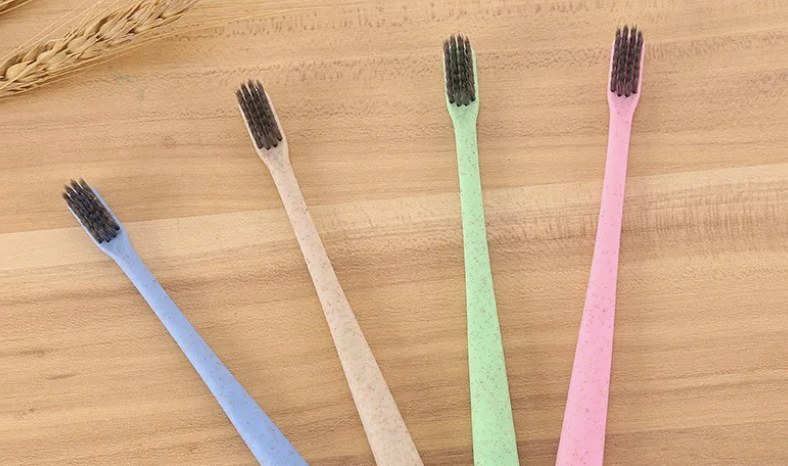
3. Avoiding Bad Brushing Habits
(1) Avoid using excessive force
Although ultra-fine soft-bristle toothbrushes are very gentle, using too much force while brushing can still damage your teeth and gums. Therefore, using appropriate brushing pressure is very important. Avoid using excessive force or scrubbing back and forth.
(2) Brushing for too long or too short a time
While insufficient brushing time affects oral hygiene, brushing for too long can also damage the gums. It is recommended to brush for about 2 minutes each time; brushing for too long may cause excessive irritation to the gums.
(3) Don't neglect cleaning your tongue
When brushing their teeth, many people only focus on cleaning their teeth and neglect their tongue. Bacteria and food residue on the tongue are also a source of bad breath. Therefore, gently brushing the surface of your tongue with an ultra-fine soft-bristle toothbrush helps maintain fresh breath.
4. How to Maintain Ultra-Fine Soft-Bristle Toothbrushes
(1) Replace your toothbrush regularly
The bristles of ultra-fine soft-bristle toothbrushes are relatively soft and therefore prone to wear. It is generally recommended to replace your toothbrush every three months. If the bristles are bent, frayed, or worn, you should replace it immediately.
(2) Clean and dry your toothbrush
After each brushing, thoroughly rinse the toothbrush with clean water to ensure that no toothpaste or food residue remains on the bristles. Then, place the toothbrush in a dry, well-ventilated place to dry, avoiding bacterial growth.
(3) Avoid contaminating the bristles
Avoid letting your toothbrush come into contact with unclean objects, such as placing it in a damp bathroom or directly on an unclean surface. It is best to use a dedicated toothbrush case to store your toothbrush and keep the bristles clean.
5. Other Benefits of Ultra-Fine Soft-Bristle Toothbrushes
(1) Suitable for sensitive teeth and gums
Ultra-fine soft-bristle toothbrushes are especially suitable for people with sensitive teeth and gum problems. The soft bristles effectively reduce irritation to the gums during brushing, relieving gum bleeding and inflammation.
(2) Improves teeth whitening results
Because ultra-fine bristle toothbrushes can more precisely remove tiny stains and plaque from the tooth surface, they help maintain whiter teeth and reduce the chance of discoloration.
(3) Promotes gum health
The bristles of ultra-fine bristle toothbrushes can effectively clean the gum line area, reducing the occurrence of problems such as gingivitis and periodontitis, and maintaining healthy gums.
Your email address will not be published. Required fields are marked *

+86-515-66660899
+86 13814347707









Copyright © Buletedan
OEM/DOM/JDM Dental Floss, Interdental Brushes, Toothbrush Company
