



 中文简体
中文简体 日本語
日本語 English
 русский
 Español
 Français
 বাংলা
বাংলা 한국어
한국어 Latine
 Tiếng Việt
 عربى
عربى ไทย
ไทย Hrvatski
 dansk
dansk čeština
 Pilipino
 Nederlands
 Deutsch
 Suomalainen
 Magyar
 Indonesia
 فارسی
فارسی Bahasa Melayu
 italiano
 norsk
norsk Português
 Gaeilge
 Polskie
 Română
 svenska
 Slovák
 Türk
Türk
The Role of a Children’s Toothbrush in Preventing Cavities and Gum Disease

Buletedan has helped thousands of companies around the world achieve the production of quality products through our professional manufacturing solutions.


Content
- 1 Why a Children’s Toothbrush is Crucial for Oral Health
- 2 How a Children’s Toothbrush Prevents Cavities
- 3 Preventing Gum Disease with the Right Toothbrush
- 4 Additional Benefits of Using a Children’s Toothbrush
- 5 FAQ: Common Questions About Children's Toothbrushes
- 6 1. When Should I Replace My Child’s Toothbrush?
- 7 2. What Age Should I Start Using a Children’s Toothbrush?
- 8 3. How Do I Choose the Right Toothbrush for My Child?
- 9 4. How Can I Make Brushing Fun for My Child?
- 10 5. How Much Toothpaste Should I Use for My Child?
- 11 6. Should My Child Floss?
- 12 Buletedan: Your Partner in Oral Health
Why a Children’s Toothbrush is Crucial for Oral Health
A children’s toothbrush is not just a tool for brushing teeth; it plays a vital role in preventing cavities and gum disease. Proper oral hygiene, starting from an early age, is the first defense against these common dental issues. According to the American Dental Association, **children who use an age-appropriate toothbrush have a significantly lower risk of developing cavities and gum disease**.
How a Children’s Toothbrush Prevents Cavities
A children’s toothbrush is specifically designed to fit their smaller mouths and teach them the proper brushing techniques. This prevents plaque buildup that leads to cavities. Here’s why it's so effective:
- Smaller, softer bristles that are gentle on gums and enamel.
- Ergonomic handles for better grip, making brushing easier for kids.
- Helps clean hard-to-reach areas that are often missed by adults.
According to a study published in the Journal of Clinical Pediatric Dentistry, children who used a toothbrush with softer bristles had **an 18% lower risk of developing cavities** in their primary teeth.
Preventing Gum Disease with the Right Toothbrush
Gum disease, often starting as gingivitis, is another issue that can be prevented with a children's toothbrush. The soft bristles are designed to avoid irritation to delicate gums, which is crucial for maintaining healthy oral tissues. Here’s how it helps:
- Gentle brushing reduces the risk of gum inflammation and bleeding.
- Encourages children to form good brushing habits early, which prevents plaque and tartar buildup.
- Supports proper gum care by reaching both the gums and teeth simultaneously.
Studies have shown that children who brush regularly with the correct toothbrush experience **significant reductions in gum disease symptoms** as they age.
Additional Benefits of Using a Children’s Toothbrush
Aside from cavity and gum disease prevention, children’s toothbrushes provide numerous benefits, including:
- Encourages independence in young children when brushing their own teeth.
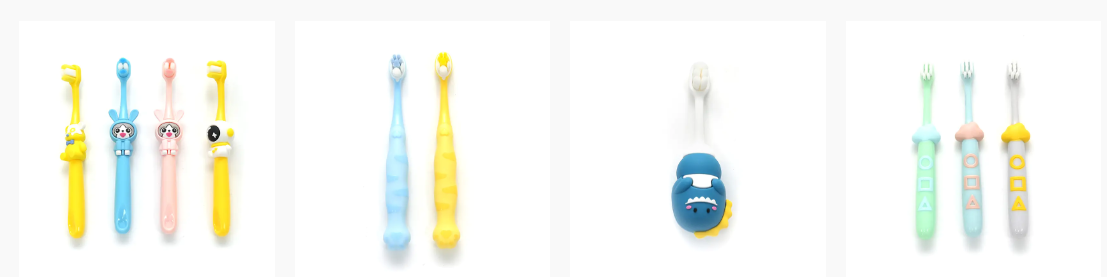
- Bright colors and fun designs make brushing more engaging for children.
- Durable and long-lasting, making them a cost-effective oral care tool.
As per a recent report from the National Institute of Dental and Craniofacial Research, children who start brushing with the right tools early on are 50% more likely to maintain healthy teeth into adulthood.
FAQ: Common Questions About Children's Toothbrushes
Children's toothbrushes are an essential part of maintaining good oral hygiene for young children. As parents, it’s important to know when to replace the toothbrush, the best types for different ages, and how to ensure your child brushes properly. Below are answers to some of the most common questions about children's toothbrushes.
1. When Should I Replace My Child’s Toothbrush?
It’s recommended to replace your child's toothbrush every 3 to 4 months, or sooner if the bristles are frayed. Worn-out bristles may not effectively clean your child’s teeth, so keeping the toothbrush in good condition is essential for proper oral hygiene.
2. What Age Should I Start Using a Children’s Toothbrush?
You can begin using a children's toothbrush as soon as your child has their first tooth. Typically, this happens around 6 months of age. For infants, a soft-bristled, small-headed toothbrush is ideal. For children over 3 years old, you can switch to a toothbrush designed for their age group with a slightly larger head and firmer bristles.
3. How Do I Choose the Right Toothbrush for My Child?
When choosing a toothbrush for your child, consider their age and preferences. For infants and toddlers, opt for a small, soft-bristled toothbrush that fits comfortably in their mouth. For older children, choose one with a larger head and thicker handle to help them maintain a proper grip. Additionally, pick a toothbrush with fun colors or characters to encourage them to brush regularly.
4. How Can I Make Brushing Fun for My Child?
Making brushing time enjoyable can help establish lifelong habits. You can:
- Use toothbrushes with their favorite cartoon characters.
- Play their favorite song during brushing time.
- Set up a reward chart to track their brushing progress.
- Make brushing a fun family activity by brushing together.
5. How Much Toothpaste Should I Use for My Child?
For children under 3 years old, you should use a rice-grain-sized amount of toothpaste, which contains a minimal amount of fluoride. For children aged 3 to 6 years, you can use a pea-sized amount. This ensures they receive the benefits of fluoride without ingesting too much, which can be harmful.
6. Should My Child Floss?
Yes, flossing should start when two of your child’s teeth begin to touch, typically around age 2 or 3. Flossing helps remove food particles and plaque between teeth that a toothbrush may miss. You can use floss picks designed for children to make it easier and more comfortable for them to floss.
Buletedan: Your Partner in Oral Health
Buletedan is committed to producing and providing high-quality, affordable and innovative oralhealth care products. Buletedan's mission is to serve people's oral health.
Our manufacturing factories, professional engineers, experienced employees, standardizedmanagement, and strict quality control ensure that we meet your specific requirements. Oralhealth care product manufacturers are undoubtedly your reliable suppliers, providing one-stopservices for your next project.
Your email address will not be published. Required fields are marked *

+86-515-66660899
+86 13814347707







Copyright © Buletedan
OEM/DOM/JDM Dental Floss, Interdental Brushes, Toothbrush Company
