



 中文简体
中文简体 日本語
日本語 English
 русский
 Español
 Français
 বাংলা
বাংলা 한국어
한국어 Latine
 Tiếng Việt
 عربى
عربى ไทย
ไทย Hrvatski
 dansk
dansk čeština
 Pilipino
 Nederlands
 Deutsch
 Suomalainen
 Magyar
 Indonesia
 فارسی
فارسی Bahasa Melayu
 italiano
 norsk
norsk Português
 Gaeilge
 Polskie
 Română
 svenska
 Slovák
 Türk
Türk
What Is the Best Way to Floss? A Comparison of Floss Types, Tools, and Techniques

Buletedan has helped thousands of companies around the world achieve the production of quality products through our professional manufacturing solutions.


Content
Brushing cleans only two of the three visible surfaces of your teeth. The interproximal spaces, where the teeth meet each other, are where plaque biofilm hides most easily and where a toothbrush cannot reach. That is why interdental cleaning matters more than the choice of a single brand or tool.
The best way to floss is not one universal method. It is a decision path that starts with the width of your tooth gaps, your gum condition, and your daily routine. This article explains when string floss, floss picks, interdental brushes, and water flossers are appropriate, why technique matters, and how to choose a product that you will actually use consistently.
The Short Answer: Match the Tool to the Gap
If your contacts are tight and the floss feels friction when it passes through: choose string floss or a floss pick that can form a C-shape. If your gaps are wider, or your gums have receded: prioritize interdental brushes. If you wear braces, implants, or fixed bridges: combine floss, interdental brushes, and professional guidance. A water flosser is a useful supplement, but it should not be your only cleaning method.
This conclusion is based on mechanical cleaning efficiency. Dental plaque is a structured biofilm. Removing it requires friction from a floss thread or brush filament. A water flosser can wash away loose food, but it cannot scrape the sticky bacterial layer from the tooth surface.
The American Dental Association also points in the same direction: what matters is not choosing the most expensive tool, but cleaning every contact point and reaching about 1-2 mm below the gum line.
String Floss, Floss Picks, Interdental Brushes, or Water Flosser
Four types of interdental cleaning tools are common in daily use today. They are not enemies; they are answers to different anatomical situations. The table below helps you make a quick first selection.
| Method | Best for | Key advantage | Main limitation |
|---|---|---|---|
| String floss | Tight contacts, no visible gaps | Can form a C-shape around each tooth and reach below the gum line | Requires finger dexterity and a few extra minutes |
| Floss pick | Quick daily use, travel, access to back teeth | Easy to hold, no long thread to manage | The stretched span is shorter, so full wrapping may be harder on some teeth |
| Interdental brush | Wider gaps, gum recession, braces, implants | Removes plaque efficiently in open embrasures | Not suitable for very tight contact points |
| Water flosser | Supplementary rinsing, orthodontic hardware | Gentle on gums, easy for people with limited hand mobility | Cannot produce the friction needed to remove clinging biofilm |
According to the Cochrane systematic review, interdental brushes may be slightly more effective than floss for reducing gingivitis, but only when the brush size matches the gap. In other words, before comparing brands, match the tool diameter to your own interdental space.
How to Floss Correctly: Two Step-by-Step Techniques
Tool selection is only the first step. The quality of the result depends on the C-shape contact, the pressure you apply, and the depth you reach under the gum line.
String floss technique
- Cut about 40-45 cm of floss and wind most of it around your middle fingers, leaving a 3-4 cm working section.
- Hold the working part tightly between your thumbs and index fingers.
- Slide the floss gently into the contact using a back-and-forth sawing motion until it just passes the contact point.
- Bend the floss into a C-shape and wrap it around the side of one tooth.
- Move the floss up and down 4-6 times on each tooth surface, reaching about 1-2 mm below the gum line.
- Unwind a clean section of floss before moving to the next gap, and do not forget the distal side of the last molar.
Floss pick technique
- Hold the handle firmly and align the floss segment over the gap, not at an angle.
- Press gently and horizontally into the embrasure; never snap the line down onto the gum.
- Tilt the floss around one side of the tooth to form a C-shape, slide it just below the gum line, and repeat on the adjacent surface.
- Do not reuse the same segment too many times. If the line frays, soften, or feels weak, replace the pick.
For people with a smaller mouth opening or reduced finger mobility, a long and slim pick handle makes it easier to reach the second molar. In that case, slim-profile recyclable floss picks keep the handle narrower while preserving enough strength for routine cleaning.
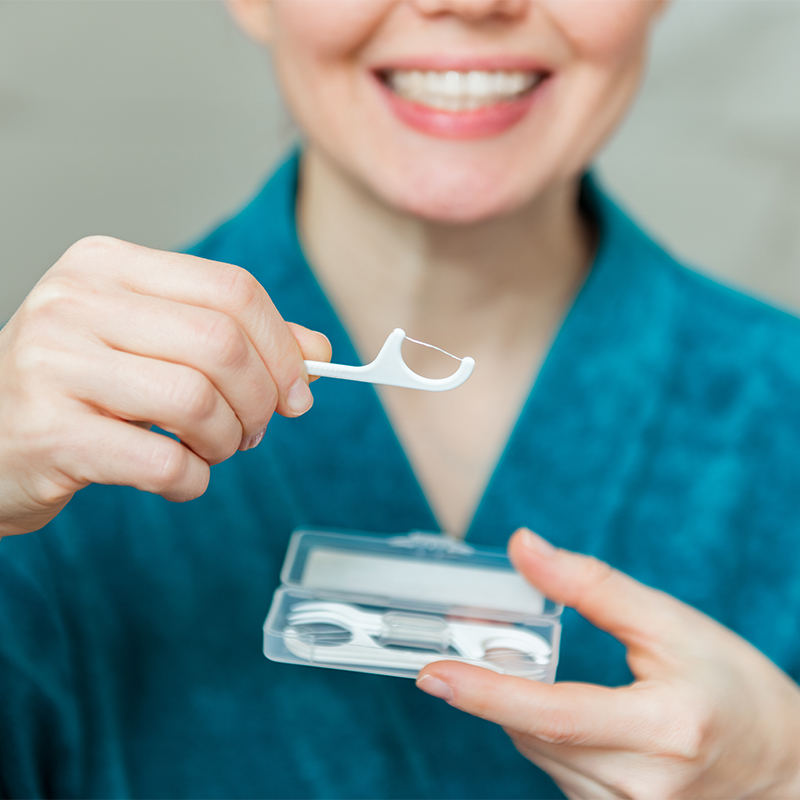 HIPS Classic dental floss pickBuletedan is China iso approved multifunctional recyclable slim profile flavored dental floss pick suppliers and OEM/ODM factory, provid...View Product →
If you are not yet familiar with the structure of a floss pick, read what a dental floss pick is before adjusting your routine.
Five Practical Criteria for Choosing the Right Flossing Tool
- Gap size and access. Tight contacts need thin threads such as PTFE or nylon. Wider embrasures work better with interdental brushes. A longer neck or a slim handle also reduces strain when you reach the back teeth.
- Gum tissue condition. If your gums bleed easily or have receded, avoid aggressive sawing. Choose a product with a smooth surface and use a gentle vertical motion.
- Orthodontic appliances or prosthetics. Floss threaders, super floss, and interdental brushes are common solutions. A firm but flexible pick can help under fixed retainers.
- Material and compliance. The floss material changes the feel and durability. For firm contacts, PTFE floss picks
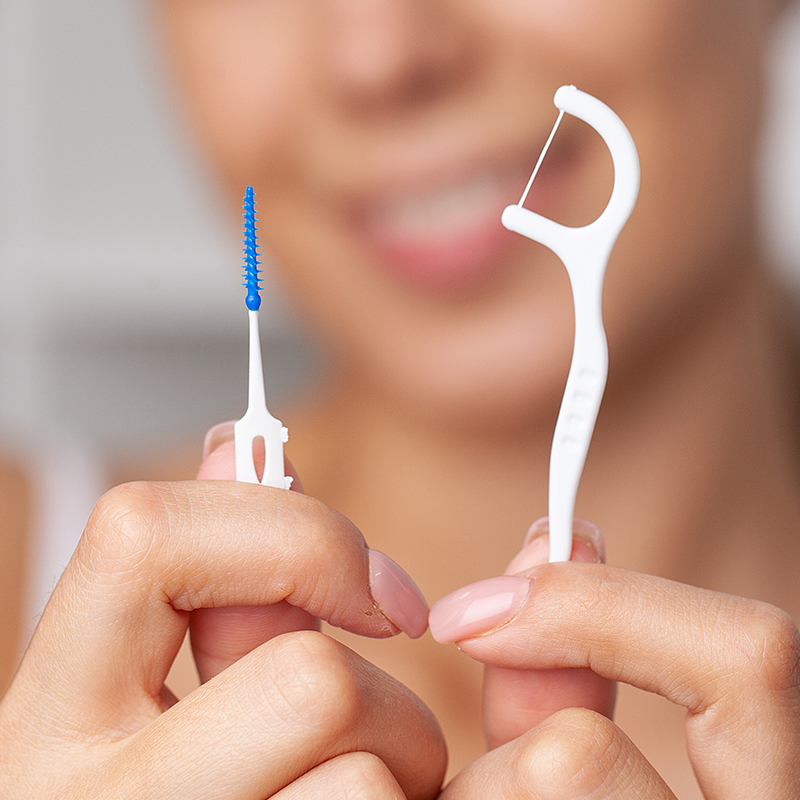 PTFE Dental Floss PickBuletedan is top ISO Approved Eco-Friendly Multifunctional Mint Flavor Vegan PTFE Dental Floss Pick suppliers and factory, Eco-Friendly B...View Product → slide smoothly with less friction. For a balance of strength and low fraying, mint-flavored UHMWPE dental floss
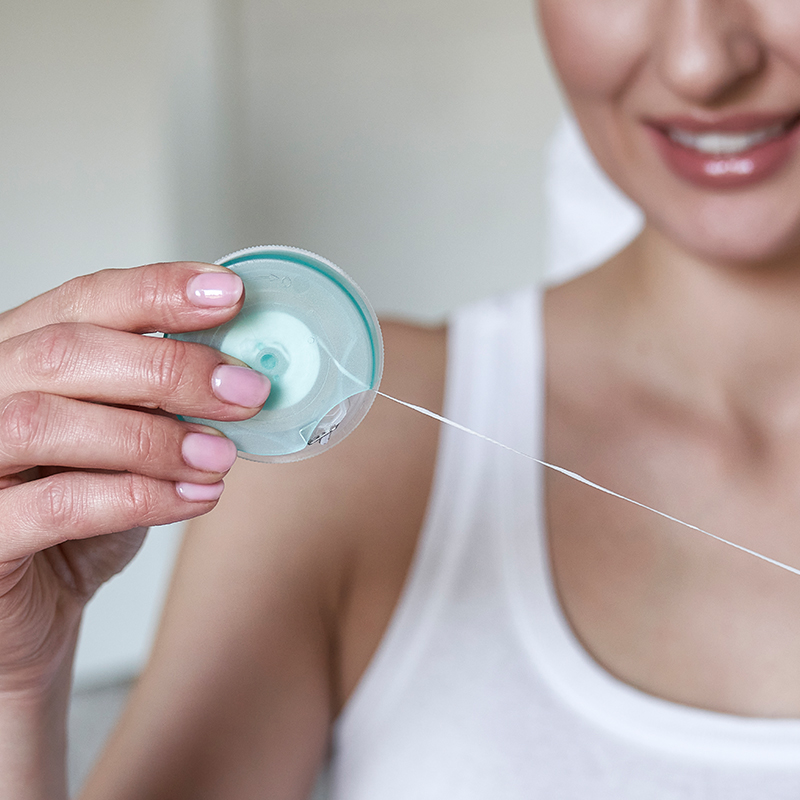 UHMWPE Dental FlossBuletedan is top 50M Mint Flavor Abrasive Nylon Enlarged Round Plastic Box-packed Dental Floss suppliers and factory, Strong Brushed Ny...View Product → resists tearing better than ordinary nylon. Regulatory labels such as ISO, USA standards, and European standards also reduce approval time in strict markets.
 - Ergonomic design and storage. A stable grip and a clean covered container help build a daily habit. Why dental floss box design matters is often overlooked during product evaluation, yet it directly affects hygiene and portability.
For private-label brands and import teams, these criteria must be translated into specifications: thread diameter, tensile strength, arm stiffness, recycling marks, and certification targets. This is where Buletedan supports partners. Buletedan is committed to producing and providing high-quality, affordable, and innovative oral healthcare products. Our manufacturing factories, professional engineers, experienced employees, standardized management, and strict quality control ensure that we meet your specific requirements. If you have seen floss picks, interdental brushes, or toothbrushes on Amazon, eBay, TikTok, Instagram, or in retail stores, some of those products were likely manufactured by Buletedan. We provide one-stop OEM, ODM, and JDM contract manufacturing services.
During selection, also consider the shape of the arm and the angle of the floss thread. These details affect how easily the tool reaches the distal surface of the last tooth. Buyers who want a shorter evaluation path can check the factors to consider when choosing dental floss sticks that we share from the exhibition side.
Flossing FAQs
Q1. When is the best time to floss?
Morning or evening, consistency matters more than timing. If you often forget, attach flossing to a nightly routine before brushing.
Q2. Can a water flosser replace string floss?
No. A water flosser is a helpful supplement, but it cannot create the mechanical friction needed to remove adhesive biofilm from tooth surfaces.
Q3. Why do my gums bleed when I floss?
Bleeding usually signals gingival inflammation. Keep cleaning gently in those areas; bleeding should improve within one to two weeks. If it continues, see a dentist.
Q4. Are floss picks as effective as regular floss?
Yes, when the line is long enough to form a C-shape around the tooth and reaches the sub-gingival area. Designs with a very short span are less effective on back teeth.
Q5. Can I floss while wearing braces?
Yes. Use floss threaders, oversized floss picks, or interdental brushes. Many orthodontic products use a firmer structure so they can pass around brackets more easily.
Q6. Does flossing make the gaps between teeth bigger?
No. Wider gaps are caused by bone loss in periodontal disease, not by the flossing motion itself.
Your email address will not be published. Required fields are marked *

+86-515-66660899
+86 13814347707







Copyright © Buletedan
OEM/DOM/JDM Dental Floss, Interdental Brushes, Toothbrush Company
