



 中文简体
中文简体 日本語
日本語 English
 русский
 Español
 Français
 বাংলা
বাংলা 한국어
한국어 Latine
 Tiếng Việt
 عربى
عربى ไทย
ไทย Hrvatski
 dansk
dansk čeština
 Pilipino
 Nederlands
 Deutsch
 Suomalainen
 Magyar
 Indonesia
 فارسی
فارسی Bahasa Melayu
 italiano
 norsk
norsk Português
 Gaeilge
 Polskie
 Română
 svenska
 Slovák
 Türk
Türk
How often should you replace your toothbrush?

Buletedan has helped thousands of companies around the world achieve the production of quality products through our professional manufacturing solutions.


The toothbrush is one of the most frequently used tools in daily oral care, but many people often overlook a crucial issue: toothbrushes are not meant for long-term use. If not replaced regularly, it will not only affect cleaning effectiveness but may also have adverse effects on oral health. So, how often should you replace your toothbrush?
1. Why do toothbrushes need to be replaced regularly?
During use, toothbrush bristles constantly rub against teeth and gums, gradually becoming bent, frayed, and worn. Once the bristles lose their original elasticity and shape, it becomes difficult to effectively clean the surface of the teeth and the gaps between them, significantly reducing brushing efficiency.
In addition, toothbrushes are often in a damp environment, making them prone to bacterial growth. If not replaced promptly, brushing may introduce bacteria into the mouth, increasing the risk of gum discomfort or oral problems. Therefore, regular toothbrush replacement is both a cleaning necessity and an important part of oral hygiene management.
2. How often is it generally recommended to replace a toothbrush?
According to conventional oral care recommendations, most people should replace their toothbrush every 3 months. This period ensures that the bristles remain in a relatively good cleaning condition and reduces the possibility of bacterial accumulation.
If the bristles are noticeably deformed, splayed, or hardened within 3 months, they should be replaced even if the replacement time has not yet arrived. The condition of the bristles is an important criterion for determining whether a toothbrush needs to be replaced.
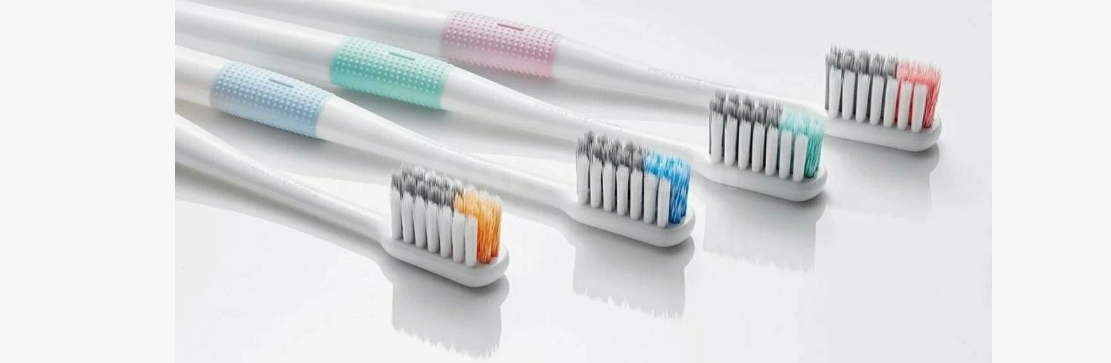
Although 3 months is a general recommendation, in some cases, the lifespan of a toothbrush will be significantly shortened, requiring earlier replacement:
Bristles are noticeably splayed or deformed
This indicates that the bristles can no longer effectively conform to the tooth surface, and the cleaning effect is significantly reduced.
Brushing with excessive force
Brushing too hard accelerates bristle wear and shortens the toothbrush's lifespan.
Toothbrush used during illness
During colds, oral inflammation, etc., the toothbrush may retain more bacteria, so it is recommended to replace it after recovery.
High brushing frequency
Brushing more often than the usual frequency will also accelerate toothbrush aging.
3. How often should electric toothbrush heads be replaced?
Many people use electric toothbrushes and believe that the brush heads are more durable, but this is not the case. Electric toothbrush heads are also recommended to be replaced every 3 months. Although the vibration method is different, the bristles of the brush head will still wear out and age. Some electric toothbrush heads have color indicators; when the bristles' color noticeably fades, it usually means it's time to replace them. This is a fairly intuitive reminder.
4. What are the effects of not replacing your toothbrush in time?
Using an old, worn-out toothbrush for a long time can lead to the following problems:
Incomplete removal of dental plaque, resulting in reduced oral cleaning effectiveness.
Uneven stimulation of the gums, increasing the risk of discomfort.
Increased likelihood of bad breath.
Long-term accumulation of these problems can affect overall oral health.
Although these effects may not be immediately apparent, neglecting to replace your toothbrush will indeed have a negative impact on oral care.
5. How to extend the effective lifespan of your toothbrush?
Within reasonable usage limits, proper care can help maintain your toothbrush in good condition:
Rinse the bristles thoroughly with clean water after each brushing.
Store the toothbrush upright to allow for ventilation and drying.
Avoid contact with other people's toothbrushes to reduce cross-contamination.
Do not use a bristle protector for extended periods to prevent moisture buildup.
Good usage habits help maintain the cleanliness and performance of the toothbrush within its replacement cycle.
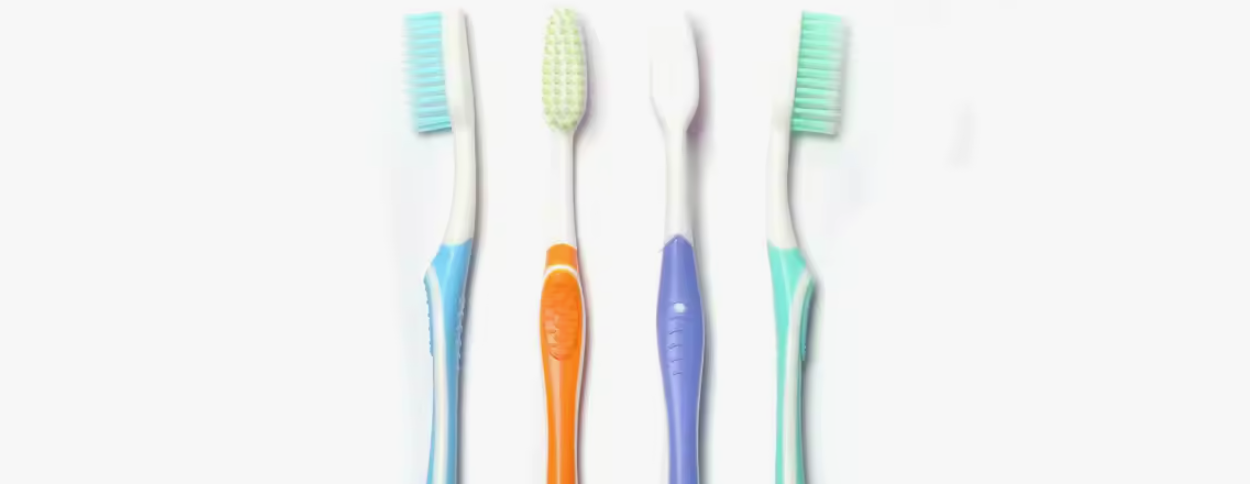
6. Replacement recommendations for different groups
For children, people undergoing orthodontic treatment, or those with sensitive gums, toothbrushes tend to wear out faster, so it is recommended to shorten the replacement cycle accordingly. Children learning to brush their teeth are more likely to deform the bristles, so parents should regularly check the condition of the bristles.
Replacing your toothbrush every 3 months is a general guideline applicable to most people, but the specific time should be adjusted flexibly based on the condition of the bristles, frequency of use, and personal habits. Regularly replacing your toothbrush may seem like a small detail, but it is an important foundation for maintaining oral health. Developing good brushing and replacement habits is essential to truly maximize the role of the toothbrush in daily oral care.
Your email address will not be published. Required fields are marked *

+86-515-66660899
+86 13814347707







Copyright © Buletedan
OEM/DOM/JDM Dental Floss, Interdental Brushes, Toothbrush Company
