



 中文简体
中文简体 日本語
日本語 English
 русский
 Español
 Français
 বাংলা
বাংলা 한국어
한국어 Latine
 Tiếng Việt
 عربى
عربى ไทย
ไทย Hrvatski
 dansk
dansk čeština
 Pilipino
 Nederlands
 Deutsch
 Suomalainen
 Magyar
 Indonesia
 فارسی
فارسی Bahasa Melayu
 italiano
 norsk
norsk Português
 Gaeilge
 Polskie
 Română
 svenska
 Slovák
 Türk
Türk
Will Using an Interdental Brush Daily Damage Your Gums? The Truth Revealed

Buletedan has helped thousands of companies around the world achieve the production of quality products through our professional manufacturing solutions.


Content
- 1 1. Is Using an Interdental Brush Daily Safe?
- 2 2. Why do some people experience pain when using interdental brushes?
- 3 3. What are the benefits of using an interdental brush daily?
- 4 4. How many times a day should you use an interdental brush?
- 5 5. How to choose the right interdental brush for yourself?
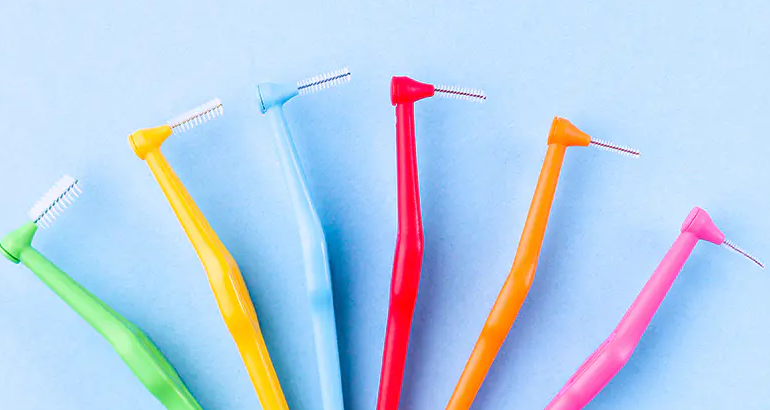
Many people share a common concern when starting to use interdental brushes: Will daily use damage my gums? Will it widen the gaps between my teeth? There are various opinions online, but most problems aren't with the interdental brush itself, but rather with incorrect usage or the wrong size. Let's clarify this issue once and for all.
1. Is Using an Interdental Brush Daily Safe?
The answer is clear: When used correctly, daily use not only won't damage your gums, but it can actually protect their health.
The purpose of an interdental brush is to clean "dead zones" that toothbrushes and mouthwash can't reach, such as food debris and plaque between teeth. If these accumulate over time, they can easily lead to swollen and bleeding gums, and even periodontitis.
When used correctly, the bristles only gently touch the sides of the teeth, without directly scratching the gums. Many people feel that "it causes bleeding," but this is actually because their gums were already inflamed; it's not that the brushing caused injury, but rather that the inflammation was exposed. After a few days of consistent use, bleeding usually decreases significantly.
2. Why do some people experience pain when using interdental brushes?
Most discomfort stems from three common mistakes.
First, choosing a brush that's too large. A brush head that's too coarse will force its way into the gums, potentially causing minor abrasions.
Second, using too much force. Interdental brushes aren't wire brushes; they don't need to be pulled back and forth forcefully. Gently push them in and slowly pull them out.
Third, incorrect angle. The correct angle should be horizontal or slightly tilted between the teeth, not forcefully pushing them towards the gums.
Avoiding these pitfalls will significantly improve comfort.
3. What are the benefits of using an interdental brush daily?
Consistent daily use brings noticeable changes.
First, improved breath. Food debris between teeth is a major source of bad breath; cleaning it will leave your breath much fresher.
Healthier gums. Reduced plaque naturally decreases inflammation, gradually improving bleeding and swelling.
Reduced risk of periodontal disease. Many periodontal problems start between teeth, so early intervention is more effective.
For people with braces, dental implants, or bridges, interdental brushes are almost a necessity.
4. How many times a day should you use an interdental brush?
Most dentists recommend once a day, preferably after brushing your teeth at night.
Evening cleaning is most thorough, preventing bacteria from multiplying overnight. If food easily gets stuck between your teeth after meals, you can brush again temporarily, but there's no need to brush repeatedly throughout the day.
Overuse can actually irritate the gums.
5. How to choose the right interdental brush for yourself?
Choosing the right size is key.
The principle is simple: it should offer slight resistance when inserted, but not hurt or press against the gums.
For first-time users, it's recommended to start with the smallest size. If it's too loose, gradually move to a larger size. Different gaps between teeth are different sizes, so it's common to use two or three different sizes in the same mouth.
In addition, choose soft and elastic bristles, and the metal core should have a rubber coating to reduce friction.
Your email address will not be published. Required fields are marked *

+86-515-66660899
+86 13814347707








Copyright © Buletedan
OEM/DOM/JDM Dental Floss, Interdental Brushes, Toothbrush Company
