
 中文简体
中文简体 日本語
日本語 English
 русский
 Español
 Français
 বাংলা
বাংলা 한국어
한국어 Latine
 Tiếng Việt
 عربى
عربى ไทย
ไทย Hrvatski
 dansk
dansk čeština
 Pilipino
 Nederlands
 Deutsch
 Suomalainen
 Magyar
 Indonesia
 فارسی
فارسی Bahasa Melayu
 italiano
 norsk
norsk Português
 Gaeilge
 Polskie
 Română
 svenska
 Slovák
 Türk
Türk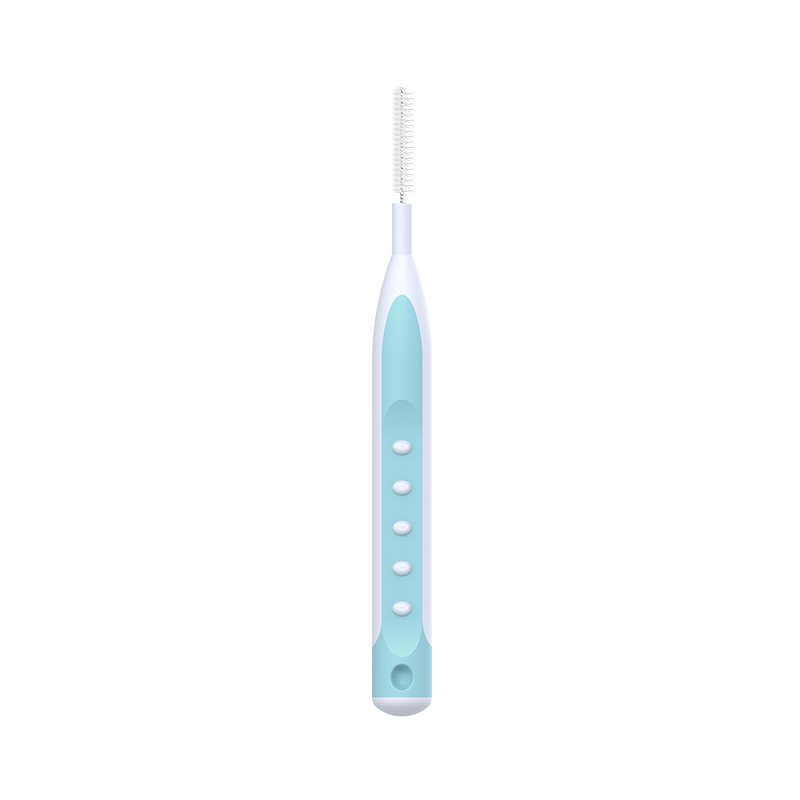
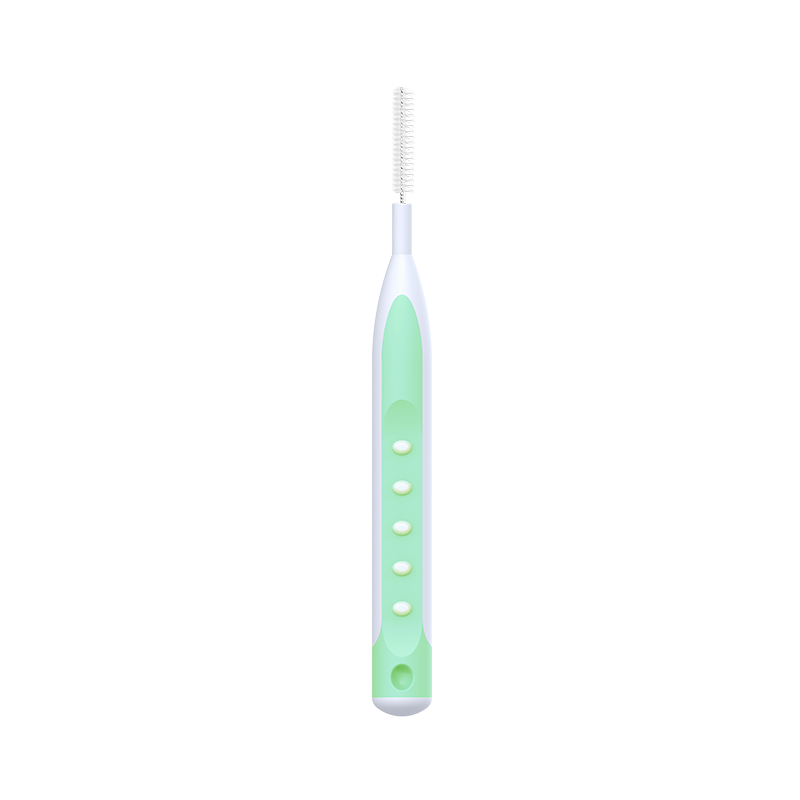
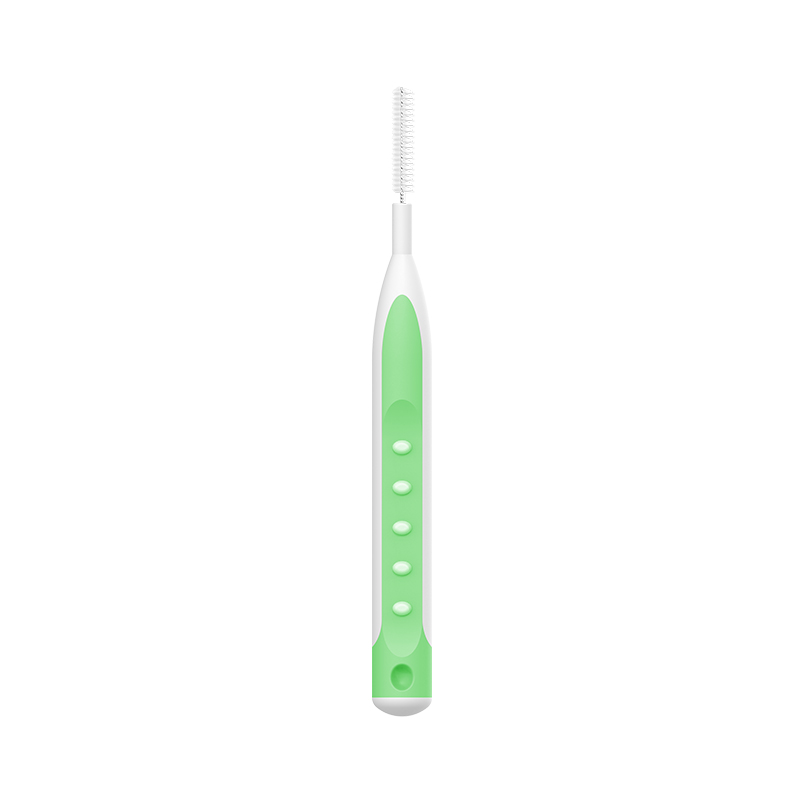
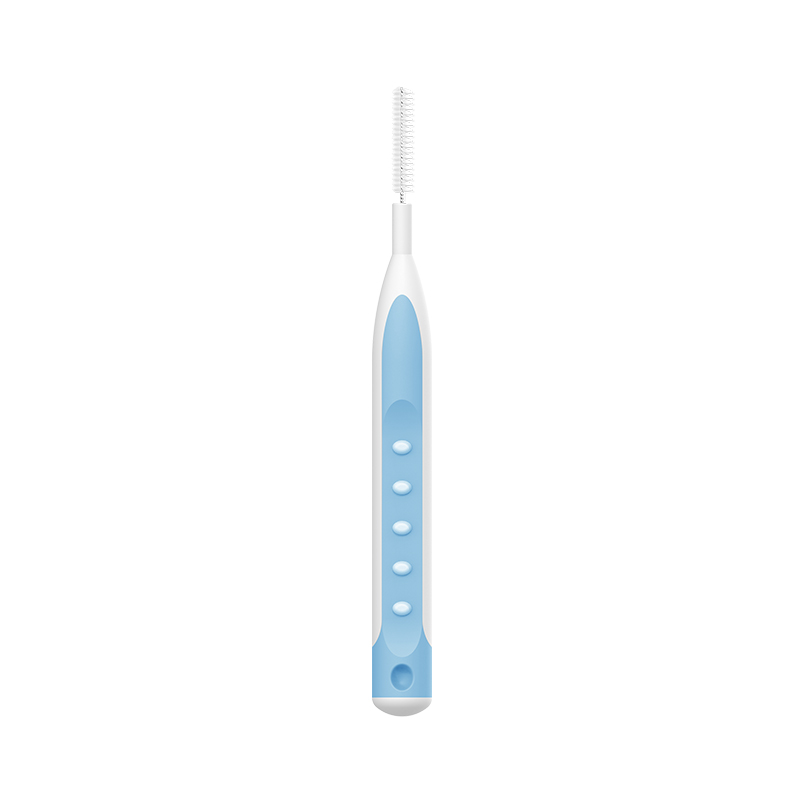
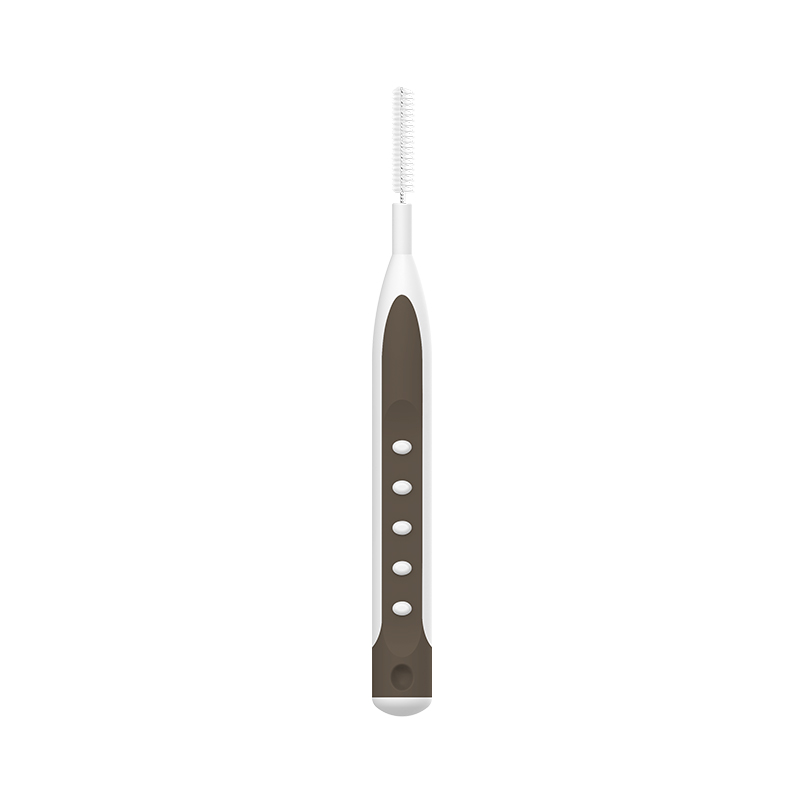
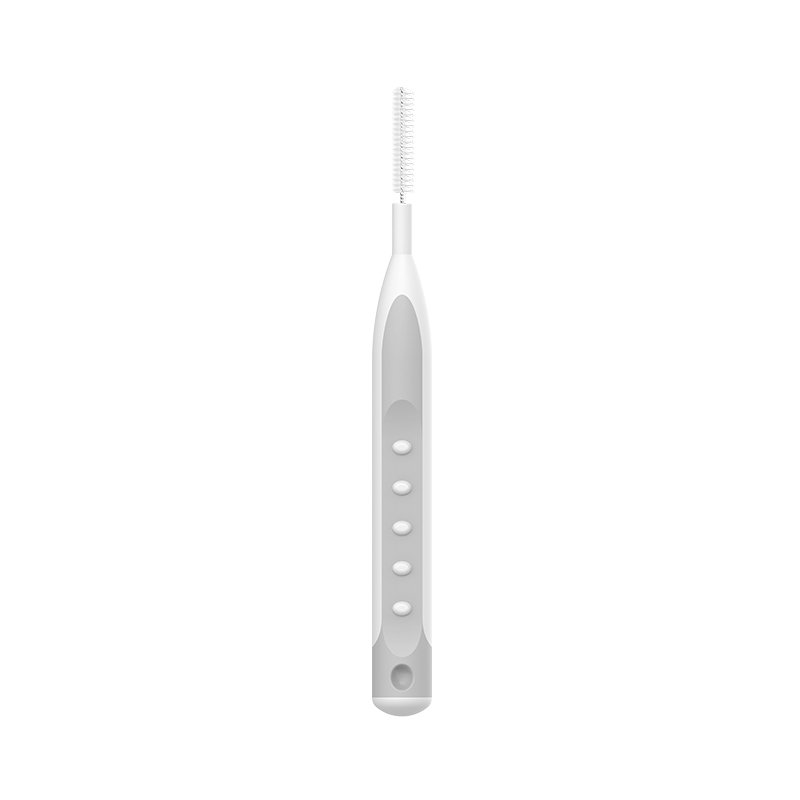
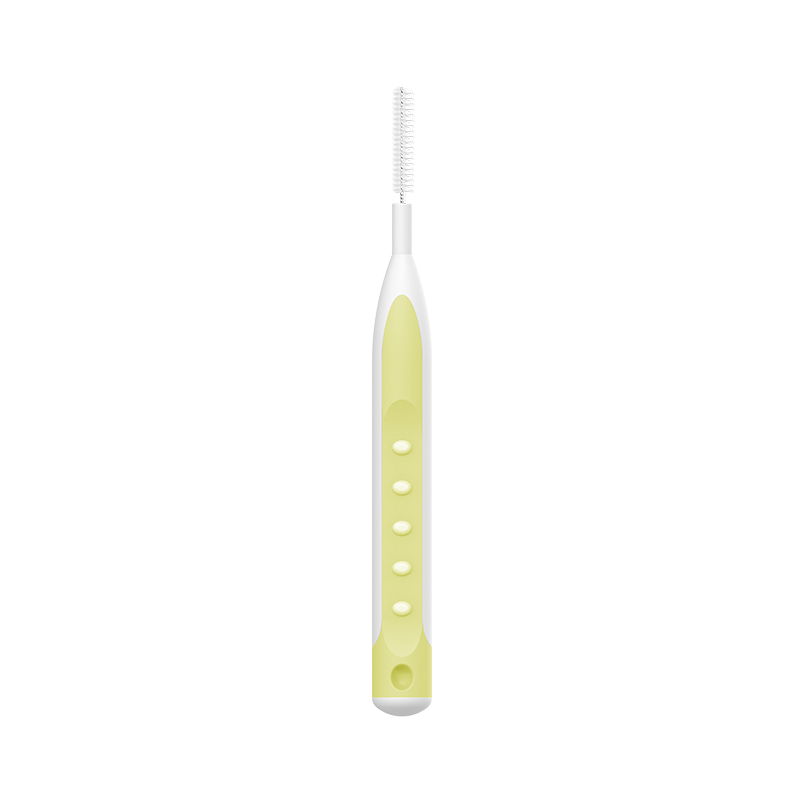
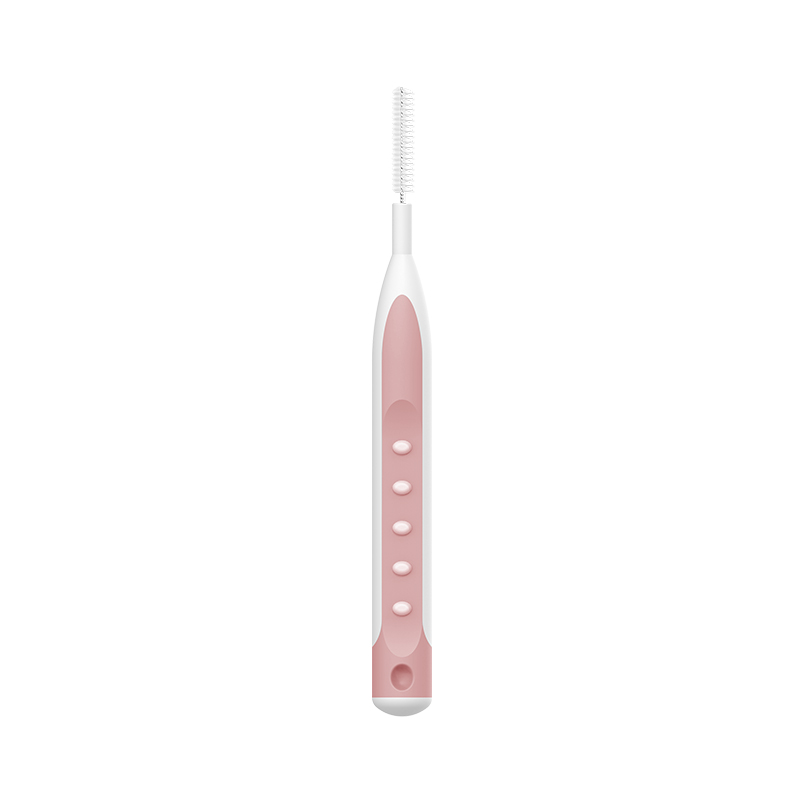
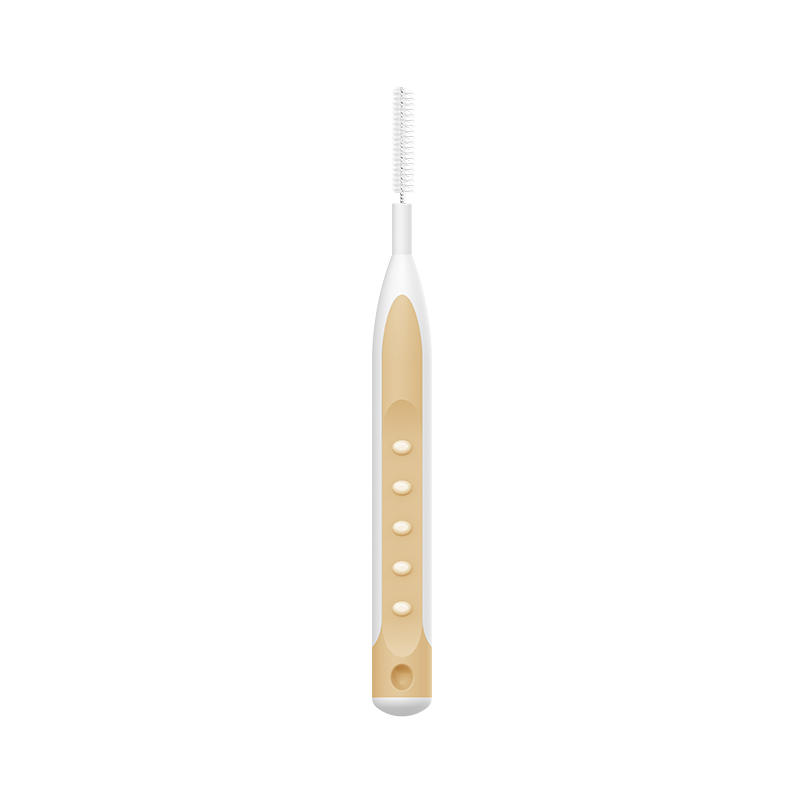
Innovative L-shaped design: The precise 90° bend perfectly avoids obstruction from braces, allowing ...

Home / Products / Interdental Brushes / Steel Wire Interdental Brush / I Shape Eco-Friendly Colorful Orthodontic Interdental Brushes, Oral Care Stainless Steel Wire Interdental Brushes Nylon Interdental Brush
SIB002
I Shape Eco-Friendly Colorful Orthodontic Interdental Brushes, Oral Care Stainless Steel Wire Interdental Brushes Nylon Interdental Brush
Precisely cleans between brackets and archwires: The ultra-thin brush head reaches deep into hidden areas of metal braces, removing food particles and plaque that are difficult to reach with traditional tools.
Safe materials: FDA and ISO certified for safety.
Stainless steel wire frame: 3x more resistant to bending and kinking, with a lifespan six times longer than standard products.
MOQ : 20K standard boxes
| Product Number | SIB002 |
| Brush Wire Color | Brush wire can be customized |
| Brush Filament Specification Options | I-SSS /I-SS/I-S/I-L/I-M or customized |
| Material (Handle/Brush Head) | LDPE+ABS Wire + Bristle (Nylon) |
| Handle | I |
| Color | Two-color |
| Weight | 0.44g |
| Size | L: 6.3cm (without cap) Cap:3.3cm |
| Logo | OEM |
| Color | White/Green/Black/Customization |
| Certificate | CE RoHS ISO |
| Flavor | Mint/No flavor/Customization |
| Place of Origin | Jiangsu, China |
Product Details Display
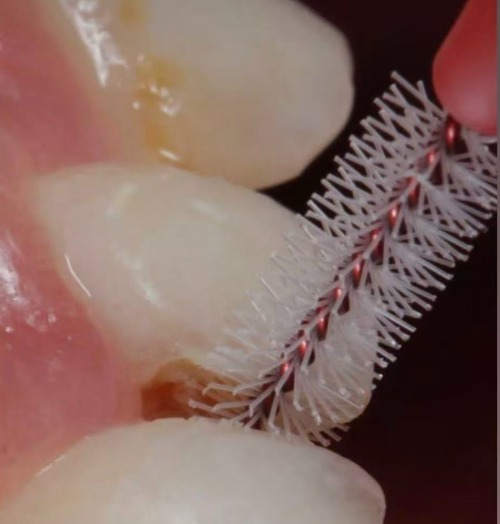
Brush Head Material
-
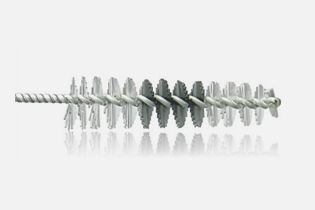 Imported Bristle from Germany
-
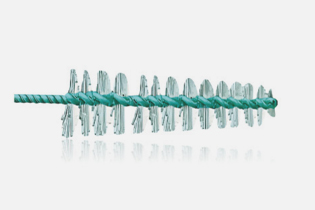 Imported Steel from Japan, Special Coating Craft
Environmental Material
-
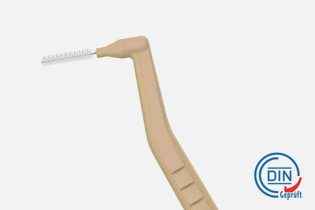 PBS Home Composting
-
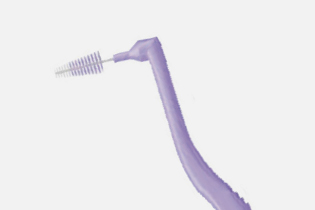 PLA Industrial Composting
-
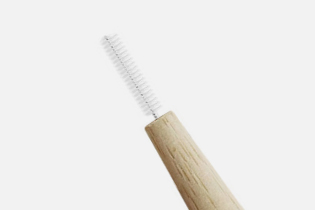 Bamboo Material
-
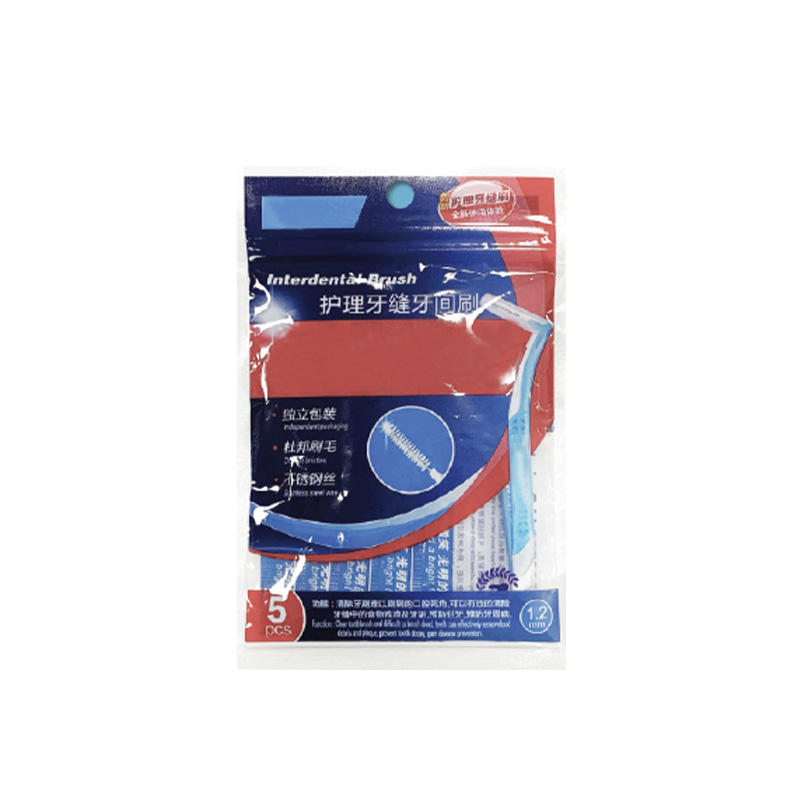 PE Ziplock Bag
-
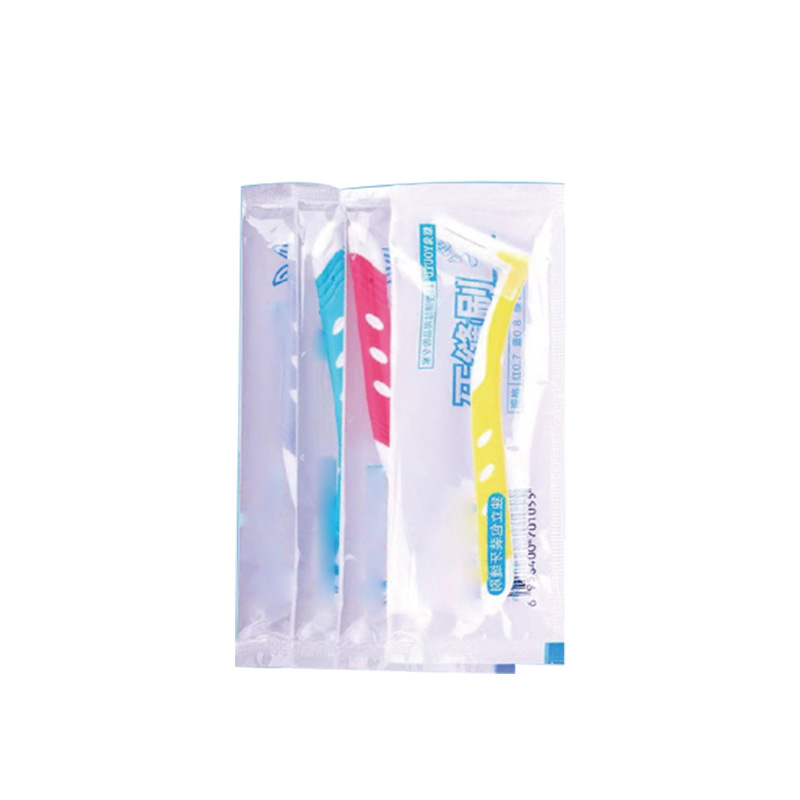 Plastic Sealed Bag
-
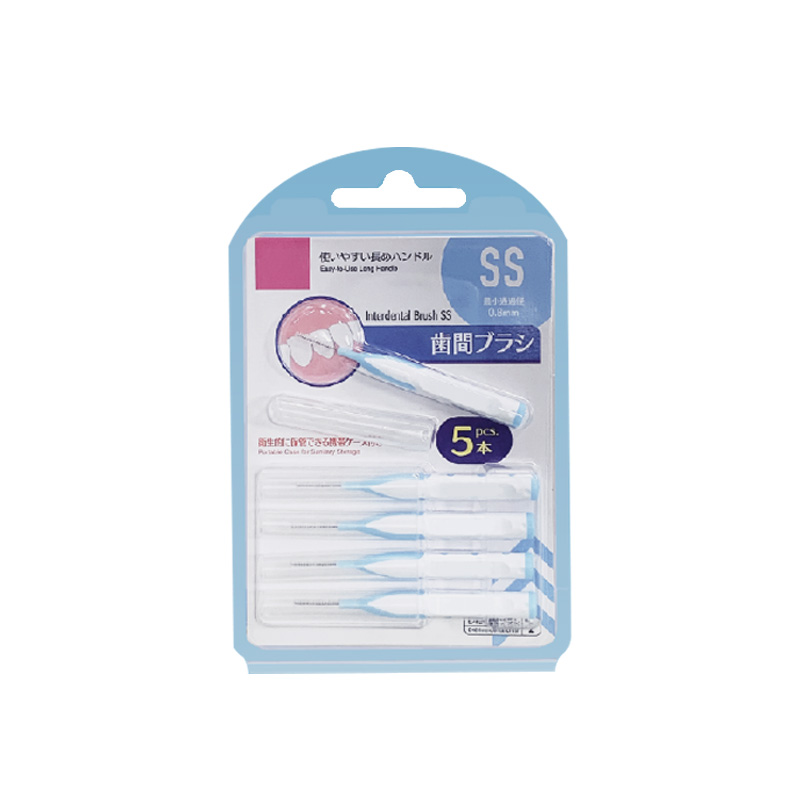 Full Card Blister(Five Pieces)
-
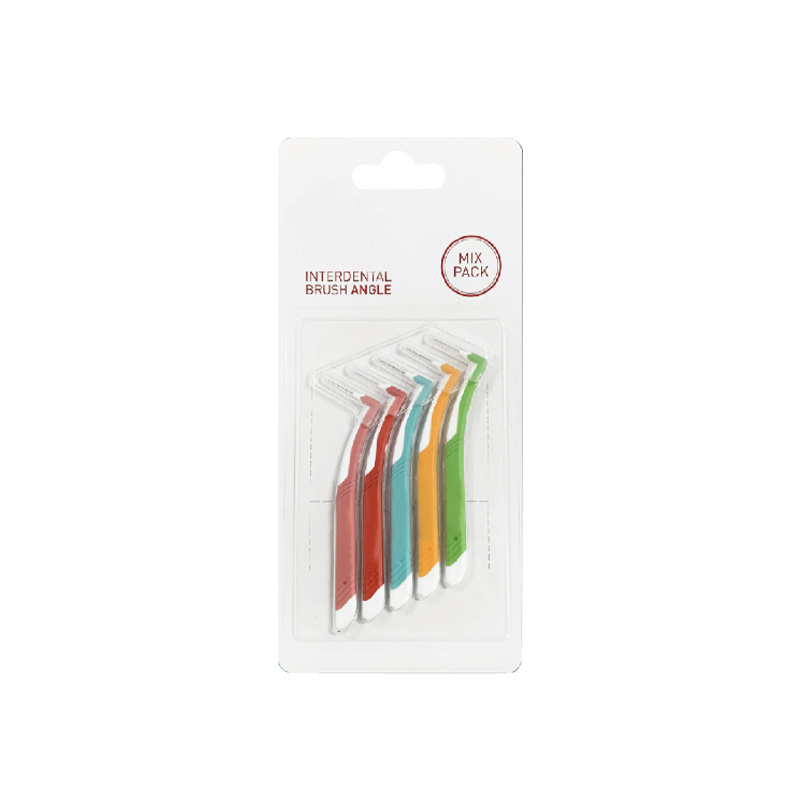 Face Seal Blister
-
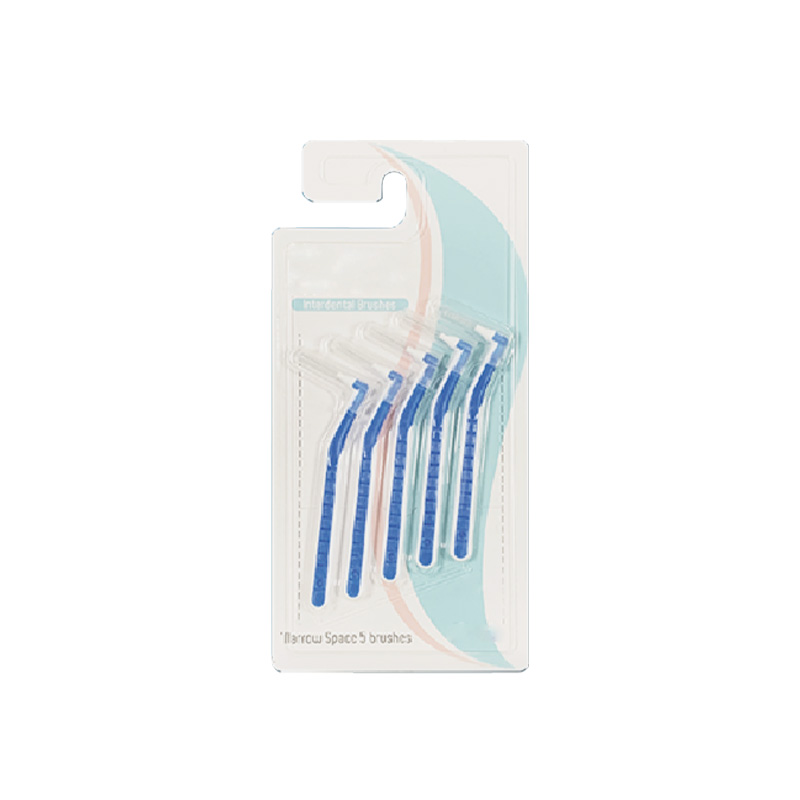 Full Face Seal Blister
-
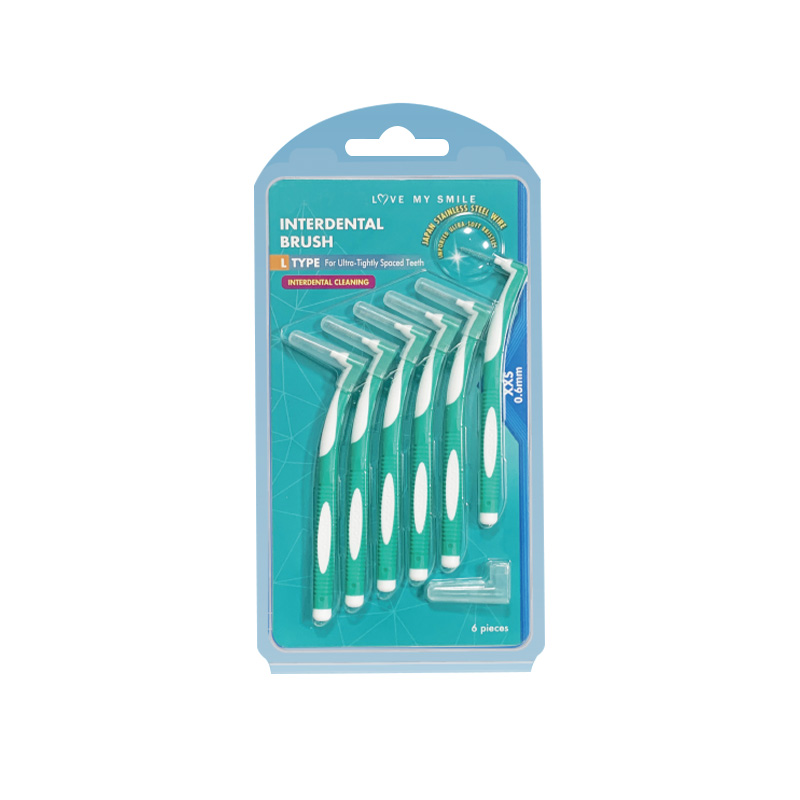 Full Card Blister(Six Pieces)
-
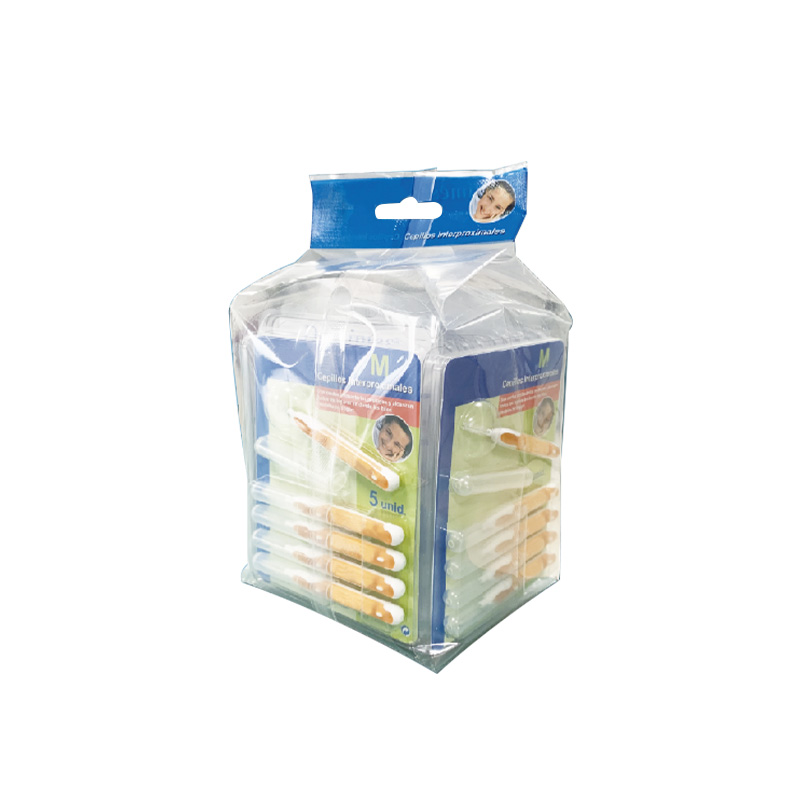 Plastic Bag
Our Ordering Process
Looking for a custom Steel Wire Interdental Brush? Just follow our four easy steps and it'll be easy - in no time you'll have all your custom needs covered!
-
 Choose your custom solution
Choose from our rich set of solutions and customize using our wide range of options to create your brand and products.
-
 Add to quote and submit
After customization, just add it to the quotation and submit it, our business staff will confirm the order contract with you.
-
 Order production
Our business personnel will report the production time nodes of the order to you on time so that you can easily understand the progress of the order.
-
 Shipping
After production is completed, we will be responsible for delivering the order to you in any form! You just need to wait for the order!
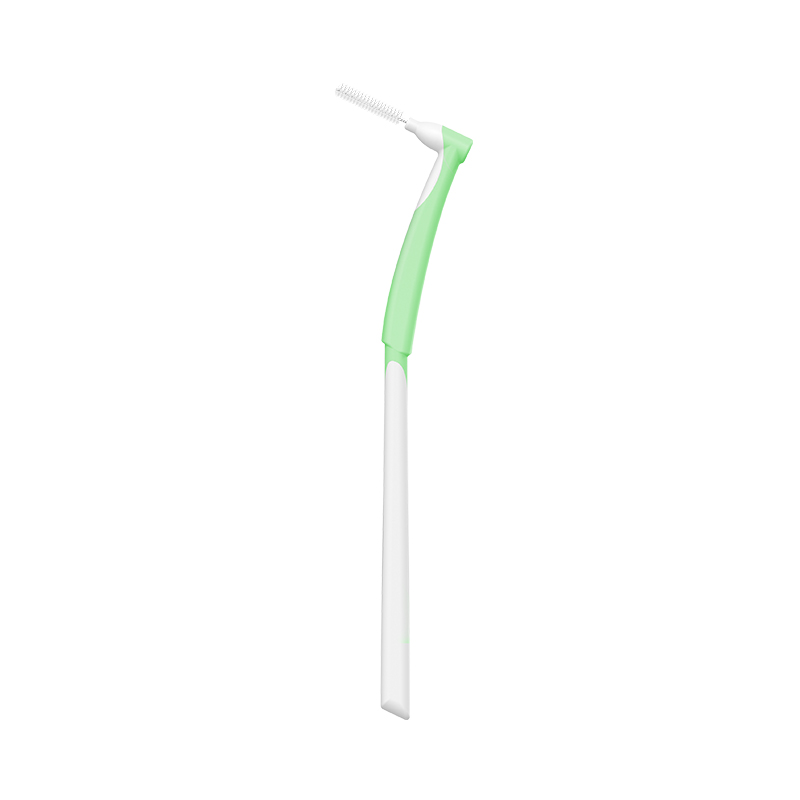 Colorful Orthodontic L Shape Meet USA Standards Interdental Brushes, Stainless Steel Wire/Nylon Interdental Brushes
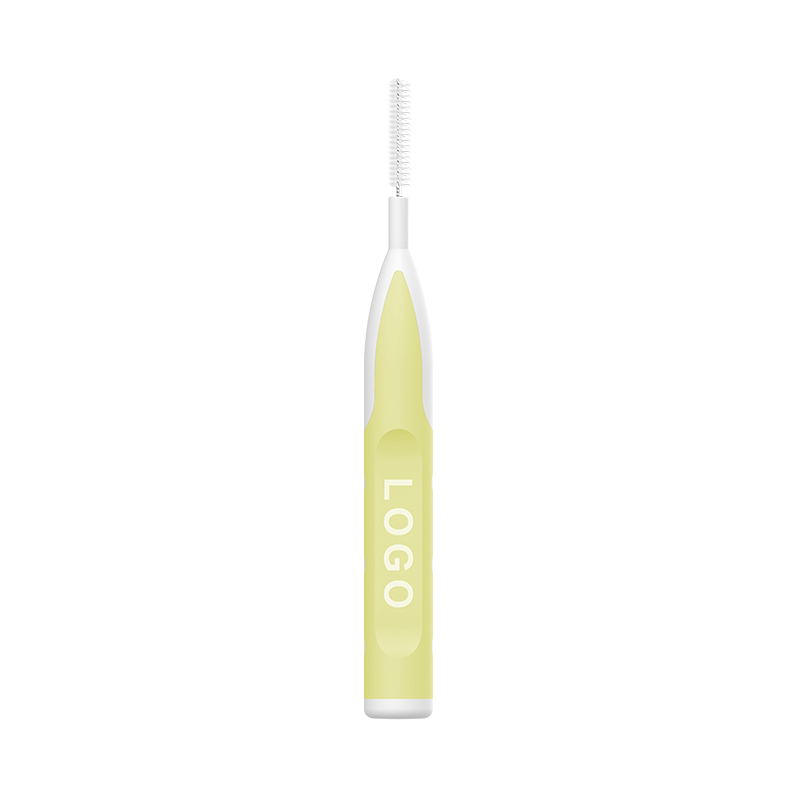 I Shape Colorful Orthodontic Meet EURO Standards Interdental Brushes, Stainless Steel Wire/Nylon Interdental Brushes
Classic I-shaped straight handle design: Conforms to traditional usage habits and is easy for beginn...
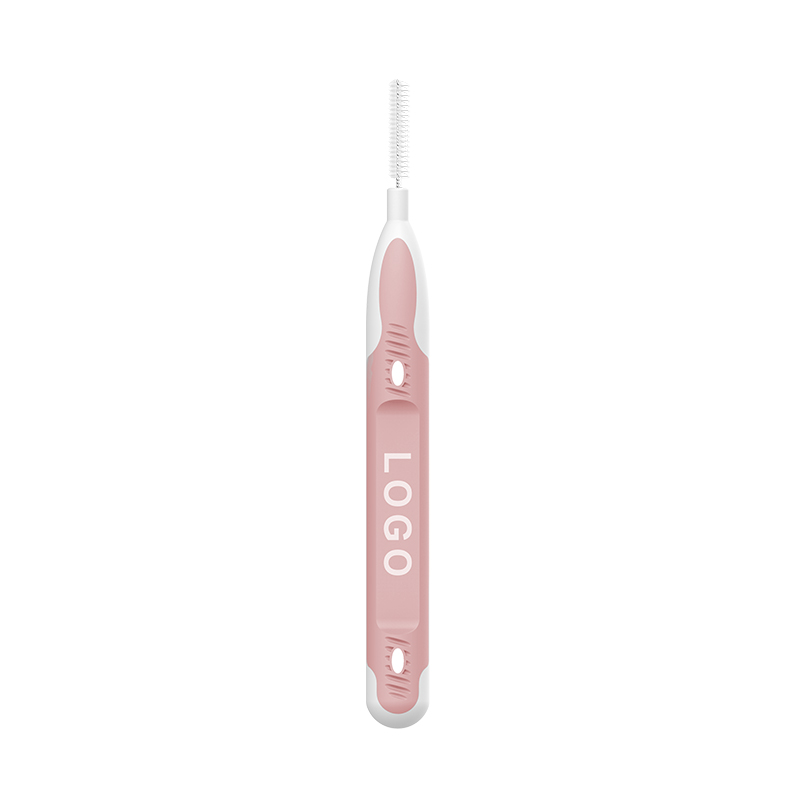 I Shape Colorful Orthodontic Classic Interdental Brushes, Reusable Stainless Steel Wire Interdental Brushes
Simple Design: Classic I-shaped, integrated, linear design for intuitive and easy operation. Stable ...
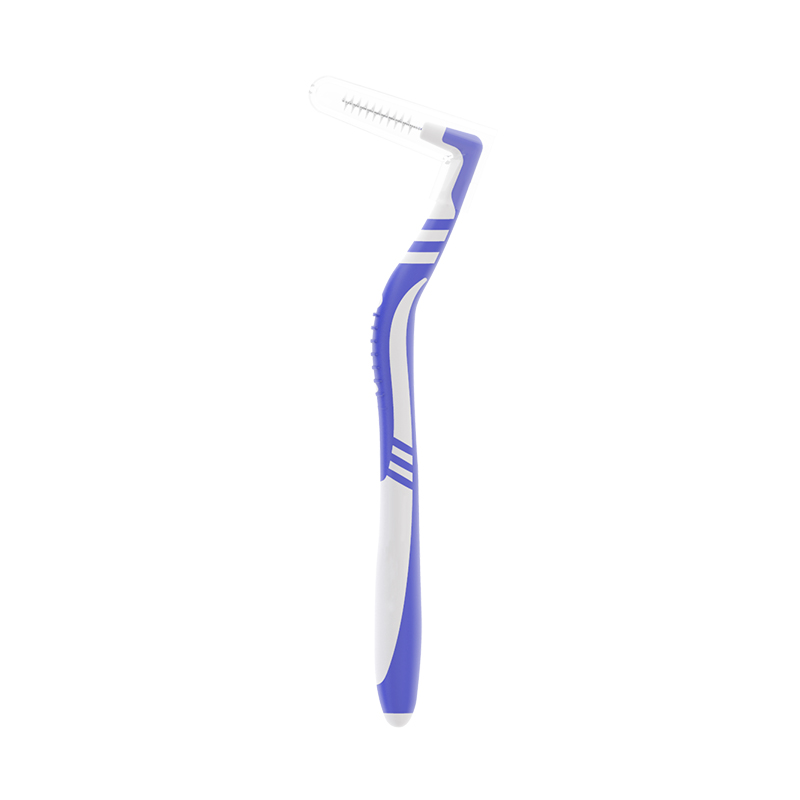 L Shape Colorful Orthodontic Meet USA Standards Interdental Brushes, Stainless Steel Wire/Nylon Interdental Brushes
L-shaped angle design: Easy to grip and apply force, making it easy to clean the back teeth, especia...
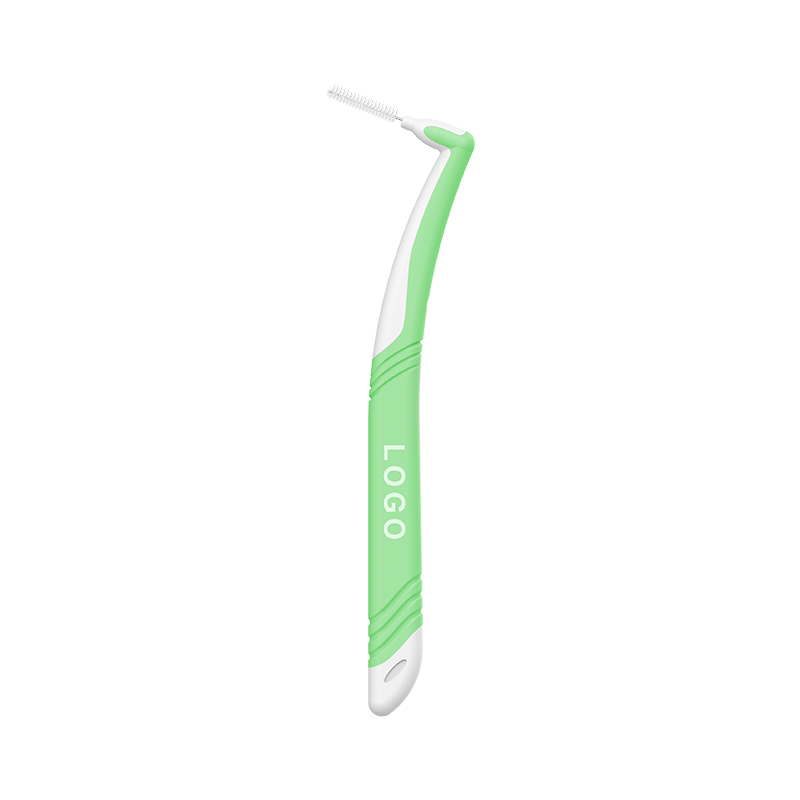 L Shape Colorful Orthodontic Meet USA Standards Classic Interdental Brushes, Stainless Steel Wire Interdental Brushes
Orthodontic Design: Specifically designed for those wearing fixed braces. The brush head rotates 360...
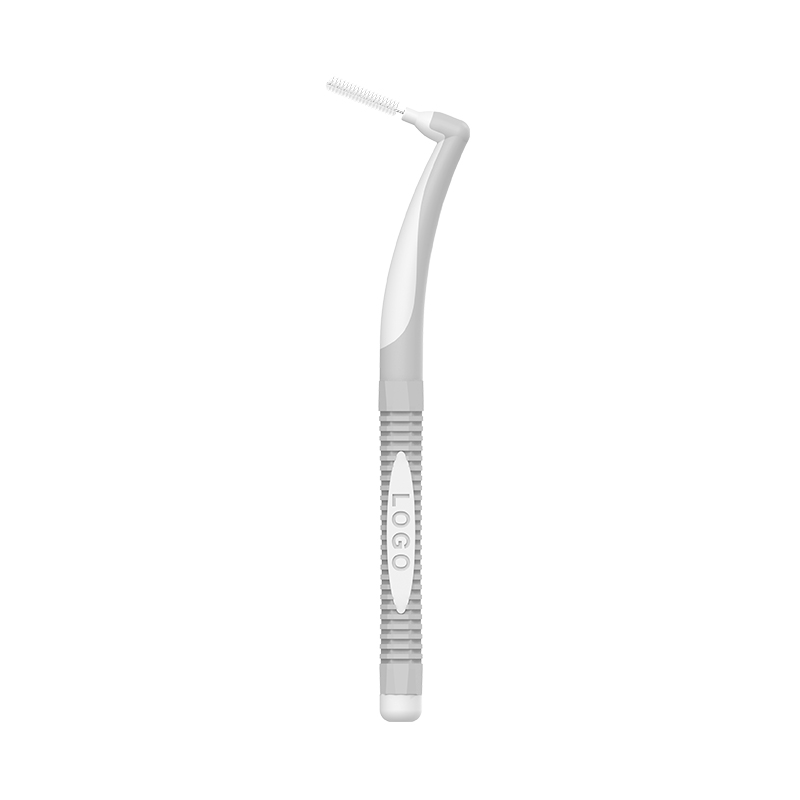 L Shape Stainless Steel Wire Interdental Brush For Cleaning Teeth, Eco-Friendly Interdental Brushes Can be Customized to Your Standard
Customization ServicesSize: Available in diameters between 0.4mm and 1.5mm.Color: Available in a var...
We are trusted by more than 100 international oral care brands around the world.
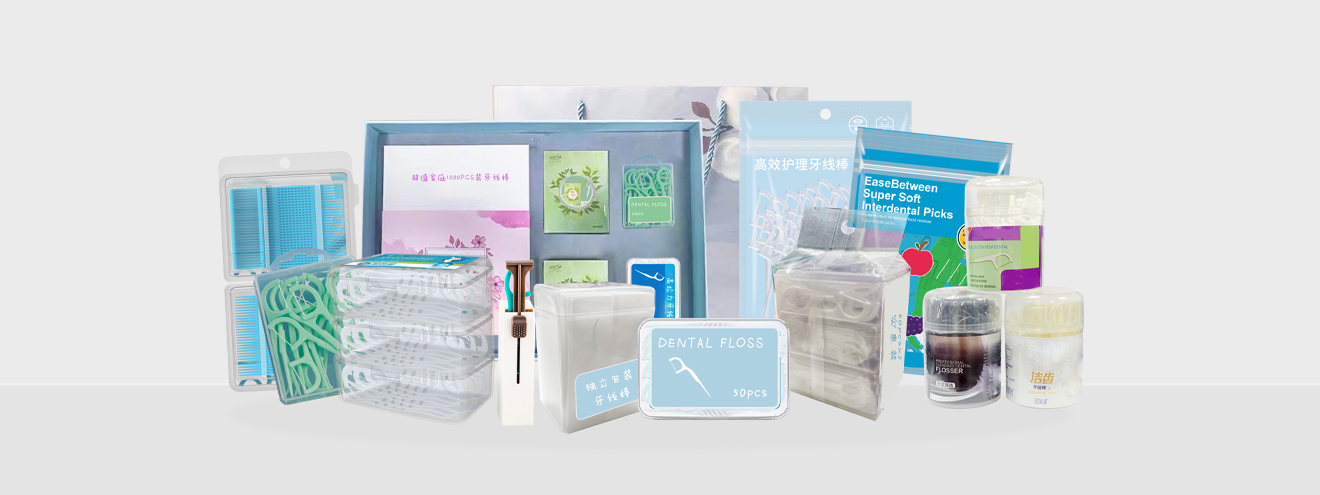
Buletedan helps thousands of companies around the world produce high-quality products through our professional manufacturing solutions.
Buletedan is China Steel Wire Interdental Brush Suppliers, We provide a variety of services, including product material procurement, mass production.
-
Professional Team
The company has a professional team dedicated to providing customers with good products and technical support Provide customers with comprehensive and multi-faceted services.
-
OEM/ODM
A professional provider and manufacturer of oral health care product solutions, with years of experience in OEM/ODM services.
-
Standardized Rules
Followed the standardization rules for a rigorous production process, saving time and cost for both parties and bringing maximum benefits to you.
-
 Certified To Multiple Standards
Our oral health care products have passed multiple certifications and FDA certification.
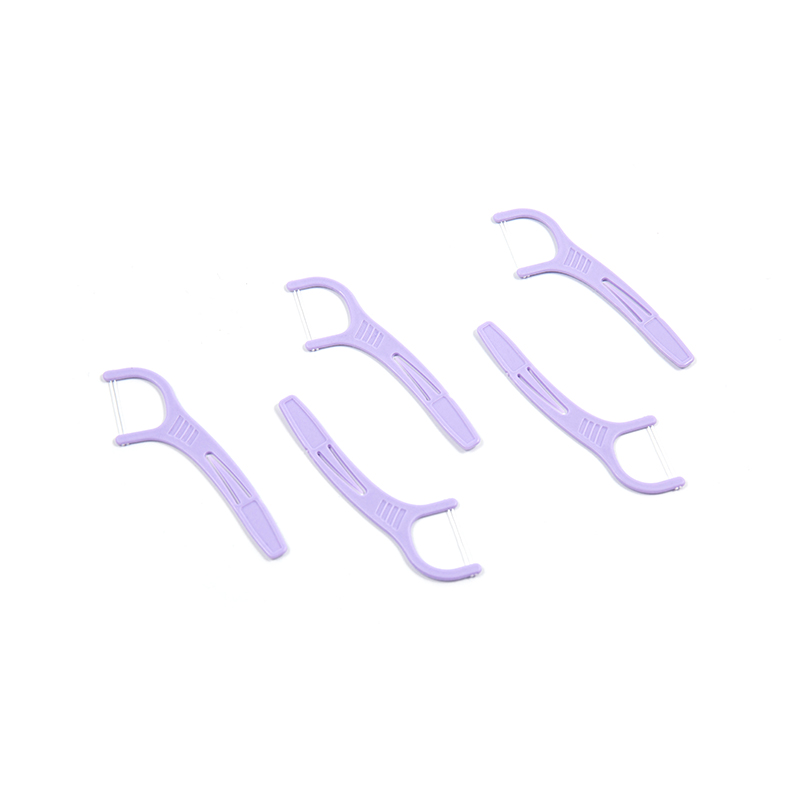 Types of Floss Explained: Choose the Right Dental Floss for Your Smile
Walk into any drugstore or open an oral-care supplier catalog, and the floss shelf looks more like a materials lab than a simple display. Waxed, unwaxed, PTFE, UHMWPE, flavored tape, picks, interdent...
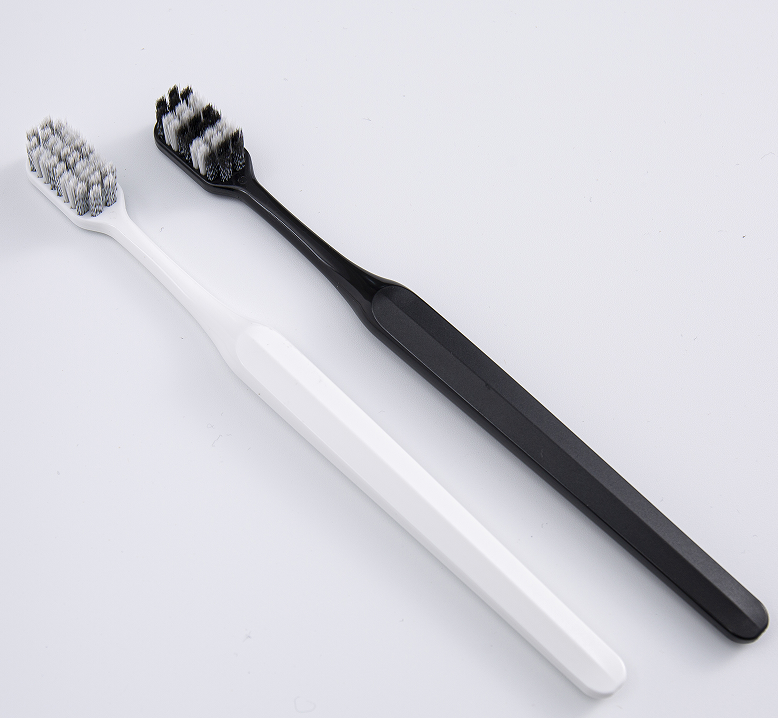 How Often Should You Brush Your Teeth? A Dentist's Complete Guide to Daily Care
It is 11:40 PM, and you are standing at the bathroom sink, toothbrush in hand, wondering whether skipping tonight's brushing really matters. You brushed this morning. You had a long day. The short an...
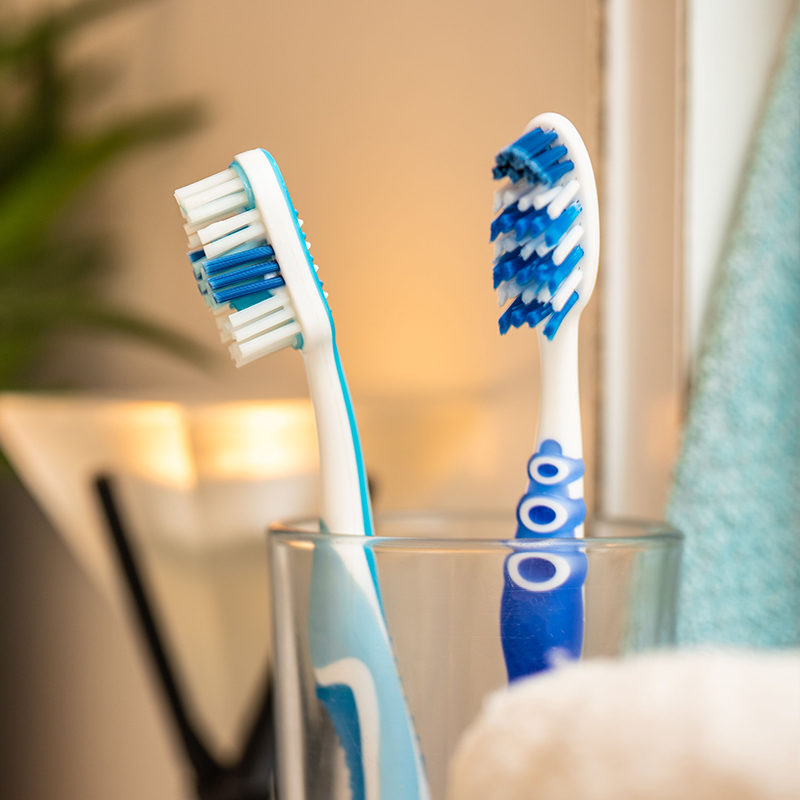 How to Choose a Toothbrush: A Complete Buyer's Guide for Every Oral Care Need
In a toothbrush aisle, you usually face three quick decisions: bristle hardness, head size, and whether to go electric or manual. Most dental professionals agree on the same conclusion: soft bristles...
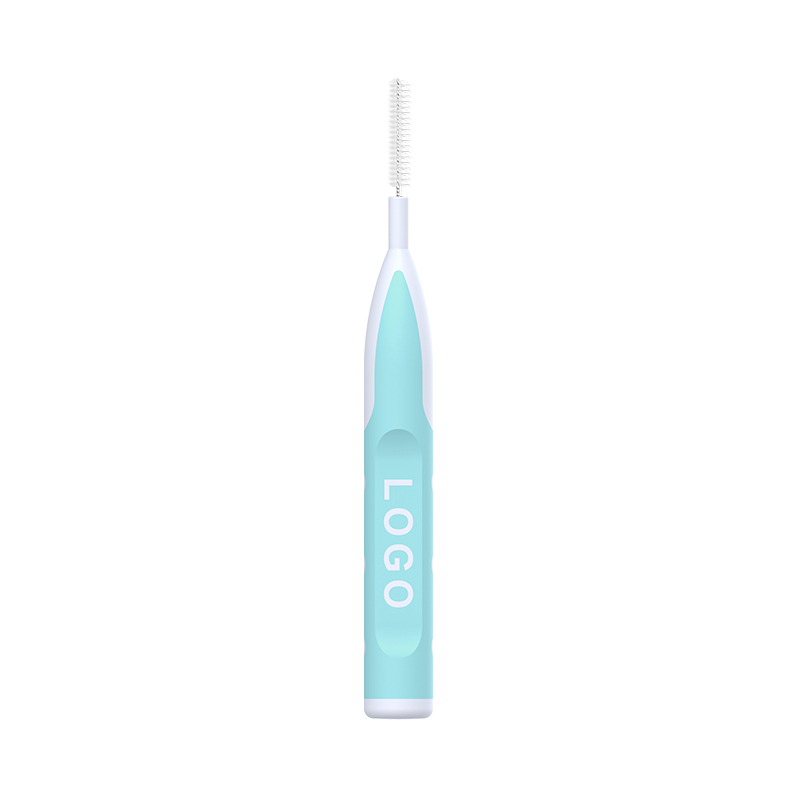 Interdental Brushes for Tight Teeth ----How to Choose the Right Size and Type
A contact point so tight that dental floss snaps before it reaches the gum. A spot between two molars that traps food after every meal and stays inflamed no matter how carefully you brush. This is pr...
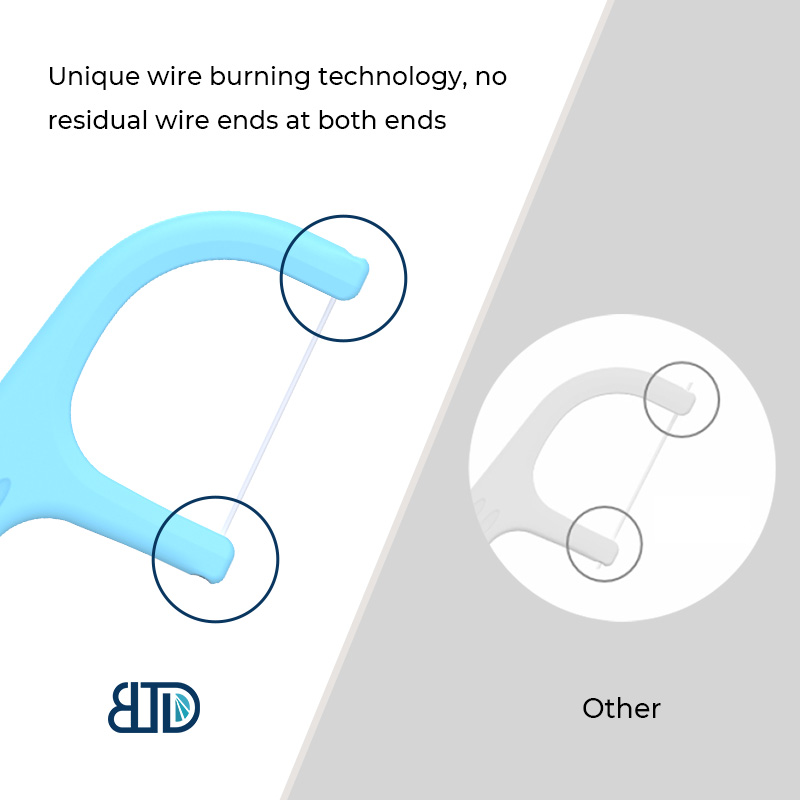 How Many Floss Picks Should You Use? A Complete Guide for Healthy Gums
Halfway through your evening routine, the floss pick in your hand starts to feel rough. The segment has frayed slightly, the grip is slippery, and you still have the far molars to reach. That is the ...
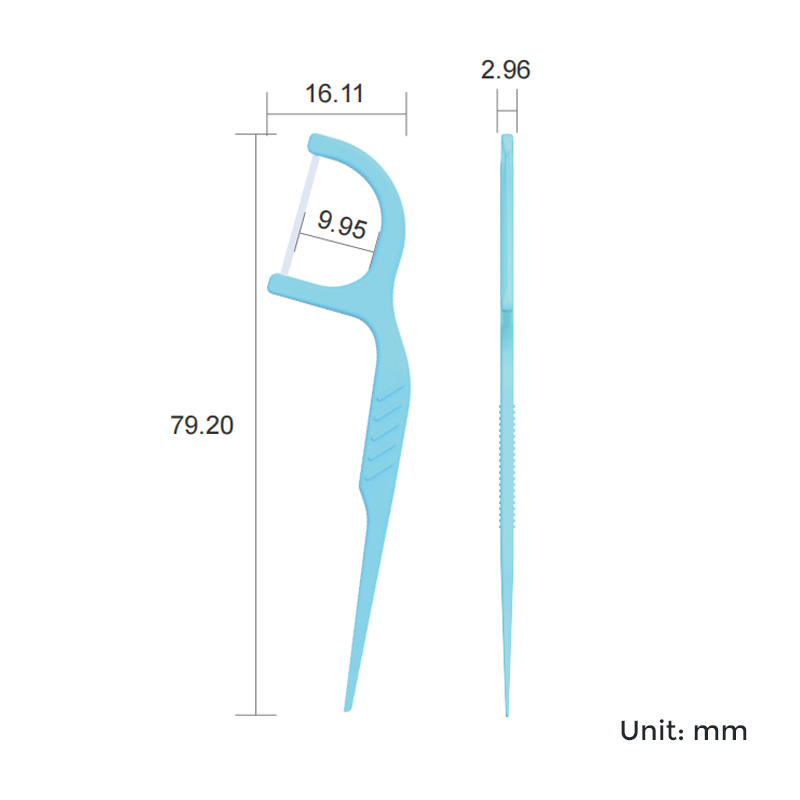 What Is the Best Way to Floss? A Comparison of Floss Types, Tools, and Techniques
Brushing cleans only two of the three visible surfaces of your teeth. The interproximal spaces, where the teeth meet each other, are where plaque biofilm hides most easily and where a toothbrush cann...
 How to Choose a Reliable Dental Floss Picks Manufacturer?
Quick Answer: What to Check Before You Choose A reliable dental floss picks manufacturer should be able to confirm five things clearly before an order is placed: the range of handle and floss materi...

+86-515-66660899
+86 13814347707



WhatsApp

Certified Company